पत्ती
A Guide to Color Mixing With Natural Pigments
Welcome to my newest blog post, where we’ll dive into the captivating world of primary color mixing, with a special focus on the enchanting earth pigments—red, yellow, and blue ochres. For many watercolor artists, experimenting with these pigments can be both challenging and deeply rewarding.
Jasper Quinn
लेखक
झलक
नीचे पूरा पाठ फ़्लोट करता है।
शेल्फ़
स्टोरी लीफ़
Welcome to my newest blog post, where we’ll dive into the captivating world of primary color mixing, with a special focus on the enchanting earth pigments—red, yellow, and blue ochres. For many watercolor artists, experimenting with these pigments can be both challenging and deeply rewarding.
Surprisingly, some painters avoid this part of their practice, missing out on the joyful discoveries that color mixing offers. If you haven’t yet explored this realm, there’s no better time to unlock the hidden potential within your palette.
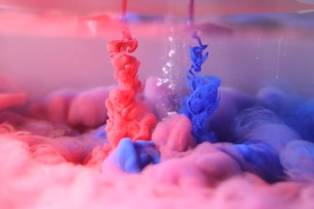
Understanding Color Mixing
At its core, color mixing is the process of combining different hues to create new shades. By blending primary colors such as red, yellow, and blue, artists can produce an expansive range of secondary and tertiary tones.
The magic of mixing lies in how the unique qualities of each pigment interact. Natural pigments are especially fascinating, as their individual particle sizes and characteristics influence how they merge on paper, producing subtle, visually intriguing effects. Even using only primary earth colors, you can achieve an impressive spectrum of colors.
Combining Natural and Synthetic Pigments
Let’s delve deeper into earth and ochre pigments. I personally work primarily with handmade, foraged, or home-prepared natural colors, and I find their tones endlessly captivating. If you prefer using modern watercolors, the exciting part is that natural pigments can be blended with synthetic high-chroma paints. This combination expands creative possibilities, balancing the muted, earthy tones of natural pigments with the vibrant intensity of modern synthetics.
When first paired, natural colors may seem subdued compared to synthetic pigments, but this contrast reveals hidden depth and nuance. The collision of these two pigment worlds may appear chaotic initially, yet it opens a space for exploration. The interplay of earthy tones with bright synthetics adds visual complexity, enhancing the texture and richness of your paintings.
Experimenting with color mixing using earth pigments allows artists to appreciate each pigment’s subtle effects. The different particle sizes and inherent qualities of red, yellow, and blue earth pigments create a dynamic interaction, which can be intentionally employed to add depth and variation in your artwork.
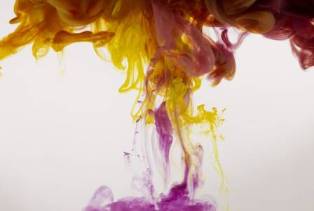
Creating Art with Natural Pigments
While natural colors may not match the vibrancy of synthetic paints, their soft, understated beauty provides a calming, meditative experience. Since shifting to a sustainable, natural approach, I rarely use modern synthetic pigments; their intensity now feels overwhelming. Instead, I embrace the simplicity and tranquility offered by natural pigments. There’s a quiet charm in the subtleness of earth colors, lending an understated elegance to my work.
For artists who have hesitated to explore color mixing, now is the perfect moment to begin. This practice is more than a technical skill—it’s a journey of discovery. Embrace the nuances, enjoy the process, and reveal the hidden potential within your palette. Happy painting!
पास की पत्तियाँ
8 Destinations Offering the Perfect Blend of Mountains and Beaches
Carol King

Top 10 Field Hockey Leagues That Bring the Game to Life
Phil

8 Compelling Reasons Why You Should Go Backpacking
Matthew
5 Enigmatic Underwater Cities to Uncover
Kevin

10 सबसे प्रतिष्ठित मार्वल सुपरहीरो पोशाकें, रैंकिंग
लुकास शायो

19 ड्रीम विंडो दृश्य
पग