पत्ती
Van Gogh and the 50 Wheat Fields
While Van Gogh is often linked to sunflowers or star-filled skies, it was wheatfields that captured his deepest fascination. He didn’t simply paint them occasionally; he returned to them repeatedly, almost with spiritual devotion. Today, art historians estimate that Van Gogh created more than 50 unique depictions of wheatfields throughout his career.
Reese Harper
लेखक
झलक
नीचे पूरा पाठ फ़्लोट करता है।
शेल्फ़
स्टोरी लीफ़
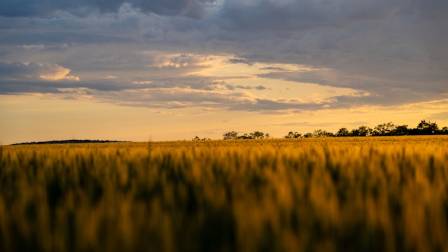
While Van Gogh is often linked to sunflowers or star-filled skies, it was wheatfields that captured his deepest fascination. He didn’t simply paint them occasionally; he returned to them repeatedly, almost with spiritual devotion. Today, art historians estimate that Van Gogh created more than 50 unique depictions of wheatfields throughout his career.
For Van Gogh, the wheatfield symbolized life’s cycles—growth, ripening, and eventual harvest. This motif was not incidental; it dominated his work across Arles, Saint-Rémy, and Auvers-sur-Oise.
Wheatfield with a Reaper, Vincent van Gogh (1853–1890), Saint-Rémy-de-Provence, September 1889
Vincent van Gogh: A Life in Brief
Born in the Netherlands in 1853, Vincent van Gogh became one of the most celebrated painters in history, though his life was fraught with struggle and mental illness. Over a span of just ten years, he produced more than 2,000 artworks, yet sold only a single painting while alive.
Van Gogh began painting seriously at 27, dedicating himself entirely to the craft. His style evolved from somber depictions of laborers to the vivid, expressive brushwork we now recognize. In 1888, drawn by the bright, “high yellow” sunlight, he moved to Arles in southern France, where his infatuation with golden wheatfields reached its zenith.
Wheatfield under Thunderclouds, Vincent van Gogh (1853–1890), Auvers-sur-Oise, July 1890
Immersed in the Field: En Plein Air
Van Gogh painted directly outdoors, embracing en plein air. He lugged his easel, canvases, and paints into the very heart of the fields.
"What joy it is to paint outside, in direct contact with nature. The wheatfields are magnificent, alive with color and energy." — Vincent van Gogh to his brother Theo
To withstand the strong Mistral winds, he often anchored his easel with iron pegs, tying everything together to prevent it from toppling. In June 1888, he shared his method with Émile Bernard:
"My easel was fixed in the ground with iron pegs. You shove the feet in and add a 50-cm peg beside them, tying everything with ropes. It allows you to work in the wind."
Van Gogh’s presence amid the wheat meant his brushstrokes captured the fields’ movement and rhythm.
"A wheatfield is worth observing up close." — Van Gogh to Theo
His swirling, repetitive strokes aren’t just stylistic—they are a record of the wind-swept wheat around him.
Wheatfield, Vincent van Gogh (1853–1890), Arles, June 1888
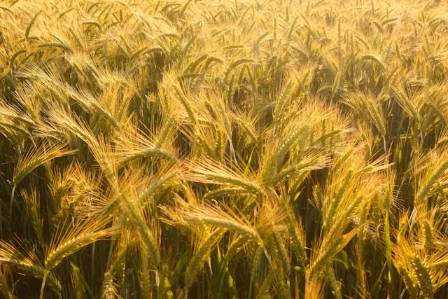
Examining the 1888 Wheatfield
Composition and Viewpoint
A defining feature of Van Gogh’s Arles wheatfield is its perspective. The horizon is unusually high, drawing the viewer’s gaze downward into the wheat. By placing the viewer “low to the ground,” he creates intimacy and a sense of infinite space.
Brushwork and Texture
Van Gogh used impasto, applying thick paint that rises from the canvas. Up close, the strokes appear chaotic; from afar, they merge into a glimmering golden expanse.
Color as Symbol
For Van Gogh, yellow represented hope, warmth, and the life-giving sun. In this work, the golden wheat contrasts with subtle greens and blues, reflecting the height of summer and the vitality of harvest.
A Legacy in Gold
Though Van Gogh died young at 37, his influence is immense. His wheatfields transform ordinary scenes into spiritual experiences, demonstrating his ability to find beauty in the everyday.
Standing before a Van Gogh wheatfield, one can almost feel the warmth of the sun, the wind brushing through the stalks, and the pulse of life itself. These paintings remind us of his resilience:
"What would life be if we had no courage to attempt anything?"
पास की पत्तियाँ

शुरुआती खिलाड़ियों के लिए 5 टेनिस टिप्स | अपने कौशल कैसे सुधारें
विकास

हर दिन सलाद खाने से आपके शरीर पर क्या असर पड़ता है
प्रकाश
घर पर रेस्टोरेंट-क्वालिटी के भोजन के लिए 19 फैंसी डिनर रेसिपी
तन्मय

शुरुआती लोगों के लिए वॉलीबॉल: मैं खेलना कैसे शुरू करूँ?
ललित
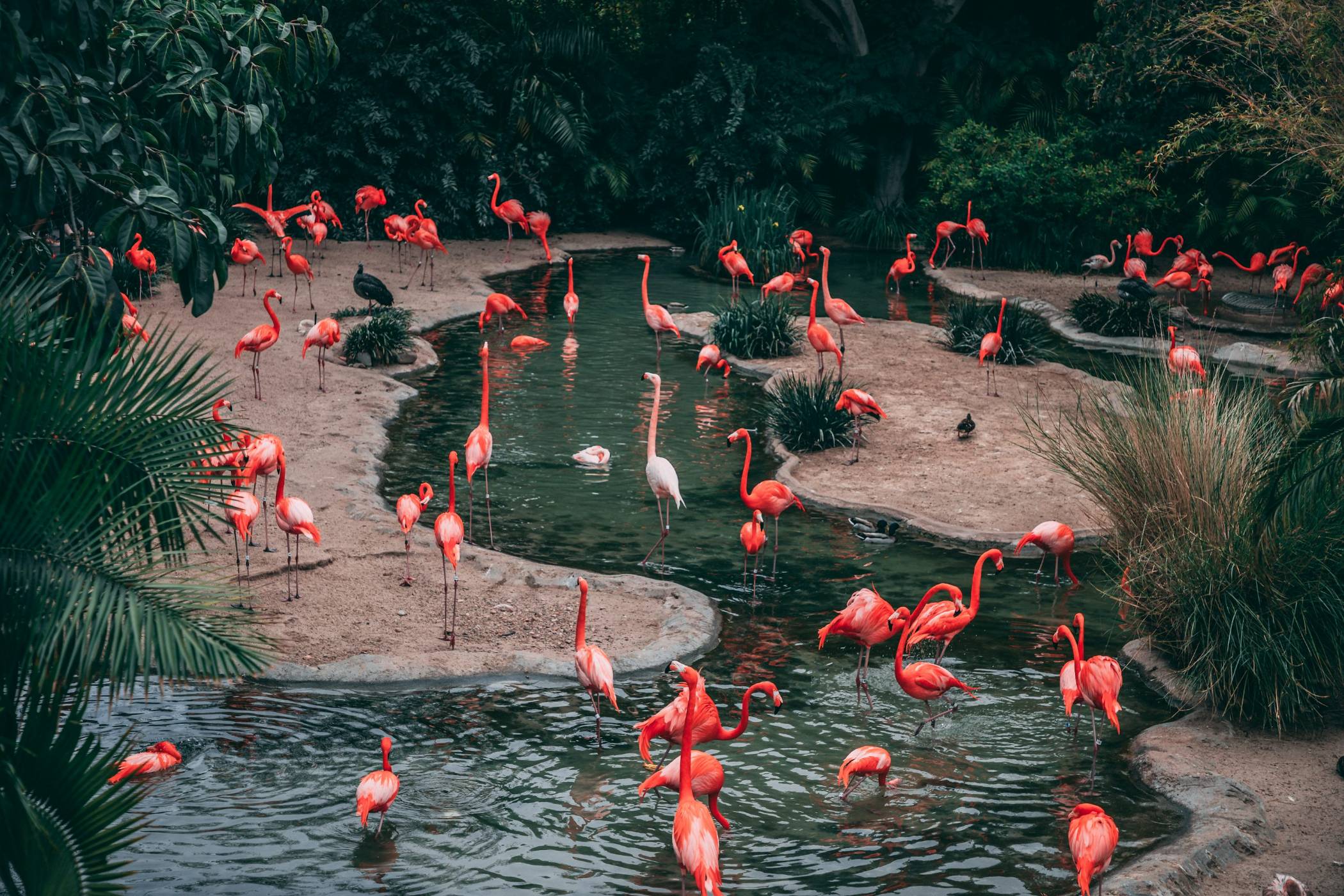
फ्लेमिंगो अपने धूप से फीके पड़े पंखों को रंगकर गुलाबी रंग में सुंदर बने रहते हैं
मधु

यू.एस. में 3 सबसे खूबसूरत हाइक
ग्रेसन हावर क्यूरिन