पत्ती
Essential Insights Into the Grey Crowned Crane
Standing over a meter in height, the Grey Crowned Crane is an unmistakable giant of the avian world, primarily inhabiting the expansive wetlands and grasslands of southern and eastern Africa. These birds are renowned for their elaborate social behaviors and striking appearance, making them a significant focus of both cultural admiration and conservation efforts.
Chloe Madison Bennett
लेखक
झलक
नीचे पूरा पाठ फ़्लोट करता है।
शेल्फ़
स्टोरी लीफ़
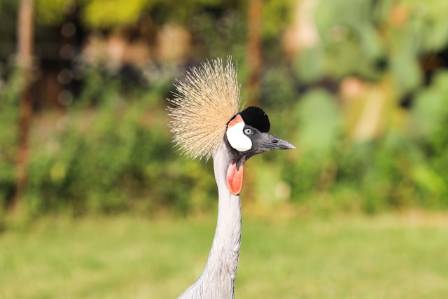
Standing over a meter in height, the Grey Crowned Crane is an unmistakable giant of the avian world, primarily inhabiting the expansive wetlands and grasslands of southern and eastern Africa. These birds are renowned for their elaborate social behaviors and striking appearance, making them a significant focus of both cultural admiration and conservation efforts.
Mating Rituals and Family Dynamics
One of the most captivating behaviors of the Grey Crowned Crane is its penchant for dancing. These movements are not merely for entertainment but serve as a critical breeding display used to attract a potential partner. The performance involves a rhythmic series of bows, jumps, and precise footwork. Interestingly, the commitment to the partnership extends beyond the initial courtship. Both the male and female take an active role in domestic duties, collaborating to construct their nest and sharing the responsibilities of incubating the eggs and rearing their offspring.
Current Conservation Status and Threats
Despite their beauty, the Grey Crowned Crane is currently categorized as Endangered on the IUCN Red List. While they enjoy legal protection in nations such as Uganda, Kenya, South Africa, and Zimbabwe, the species faces severe survival challenges. The primary threat is the rapid disappearance of their natural wetland habitats, which are being drained and converted for agricultural use. Since these cranes rely on wetlands for a steady supply of amphibians, reptiles, and insects, the loss of this ecosystem is devastating to their populations.
Furthermore, their aesthetic appeal has led to a significant struggle with the illegal pet trade. In many regions, the birds are viewed as symbols of prosperity, leading to the capture of vulnerable chicks from their nests. These birds are often kept as tethered ornaments in private gardens or hotel grounds. To combat this, conservationists are focusing on community-based education and ecotourism. Initiatives in Rwanda have successfully registered hundreds of captive cranes, many of which have been rehabilitated and reintroduced into the wild.
Notable Characteristics and Biological Facts
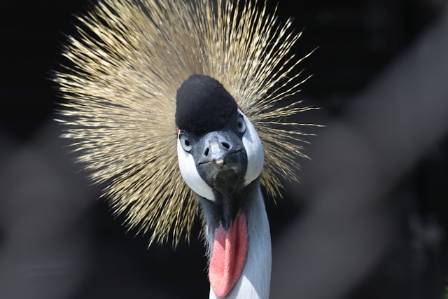
The Grey Crowned Crane possesses several unique traits that distinguish it from other members of the crane family. Most notably, they have a specialized hind toe that allows them to roost in trees, a behavior not typically seen in other cranes. They are also highly social creatures, often gathering in large flocks that can range from 30 to 150 individuals.
The cultural significance of the bird is perhaps most evident in Uganda, where it serves as the official national bird. Biologically, the species is known for its "precocial" young, meaning that chicks are developed enough to run almost immediately after hatching. Additionally, their vocalizations are quite distinct; rather than a typical bird song or tweet, the Grey Crowned Crane produces a resonant and loud honking sound that carries across the African plains.
पास की पत्तियाँ

ड्रेस की लंबाई पर एक व्यापक मार्गदर्शिका: अपनी आदर्श हेमलाइन का चयन करें
सुखदेव कश्यप

चीनी मिठाइयाँ और पकवान: एक व्यापक अवलोकन
रोशनी बाजवा

एक नदी की 10 भूमिकाएं: हमारे जलमार्ग से परे
मौहन

चार ऋतुएँ: प्रकृति के बदलते चक्रों की सुंदरता और आश्चर्य की सराहना
विनय

36 अद्भुत तथ्य जिन्हें आप पिज्जा के बारे में नहीं जानते हैं
स्टेफ़नी कैप्टनकोस

Top 10 SUVs of 2025: Expert Reviews and Rankings
Grace Turner