पत्ती
Guide to Healthy Low-Fat Eating
Starting a healthier lifestyle often begins with making better food choices. One common nutritional goal is reducing fat consumption, which leads many people to ask: what makes a meal truly low in fat? This guide explores the basics of low-fat eating, practical strategies, and meal ideas that can help you enjoy nutritious food while supporting your health goals.
Hunter Lane
लेखक
झलक
नीचे पूरा पाठ फ़्लोट करता है।
शेल्फ़
स्टोरी लीफ़
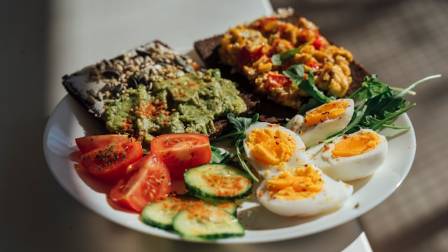
Starting a healthier lifestyle often begins with making better food choices. One common nutritional goal is reducing fat consumption, which leads many people to ask: what makes a meal truly low in fat? This guide explores the basics of low-fat eating, practical strategies, and meal ideas that can help you enjoy nutritious food while supporting your health goals.
Understanding a Low-Fat Diet
Following a low-fat diet does not mean removing all fats from your meals. Fat is essential for many functions in the body, including hormone regulation, nutrient absorption, and cell development.
The objective is to consume beneficial fats while reducing less healthy sources, especially saturated and trans fats.
Why Healthy Fats Matter
Unsaturated fats, including monounsaturated and polyunsaturated fats, contribute to heart health, brain performance, and overall wellness. Foods such as avocados, nuts, seeds, and fatty fish are excellent sources of these beneficial fats. Including moderate amounts of them is an important part of a balanced diet.
Reducing Unhealthy Fat Sources
Saturated fats and trans fats are commonly found in highly processed foods, fatty meats, fast food, and full-fat dairy products. Excessive intake may contribute to elevated cholesterol levels and cardiovascular disease. Learning to read nutrition labels and selecting healthier alternatives can help reduce consumption of these fats.
Essential Components of a Low-Fat Meal
Creating a healthy low-fat meal is easier when you follow a few basic principles. These guidelines can help you build balanced and satisfying dishes.
Focus on Whole Foods
Whole foods should form the foundation of your diet. Fresh fruits, vegetables, whole grains, legumes, and minimally processed ingredients naturally contain fewer unhealthy fats while providing valuable nutrients.
Select Lean Protein Sources
Protein helps support muscle maintenance and promotes fullness after meals. Good low-fat protein choices include skinless poultry, fish, beans, lentils, tofu, and low-fat dairy products. Remove visible fat from meats whenever possible.
Fill Your Plate with Fruits and Vegetables
Fruits and vegetables are naturally low in fat while providing fiber, vitamins, minerals, and antioxidants. Including a wide range of colorful produce in your meals can improve both nutrition and satiety.
Choose Better Carbohydrates
Complex carbohydrates provide longer-lasting energy than refined grains. Foods such as brown rice, quinoa, oats, whole-grain bread, and sweet potatoes offer more fiber and nutrients than white bread, white rice, or regular pasta.
Practice Portion Control
Even healthy foods can contribute to excess calorie intake when consumed in large amounts. Paying attention to serving sizes and eating mindfully can help maintain a healthy balance.
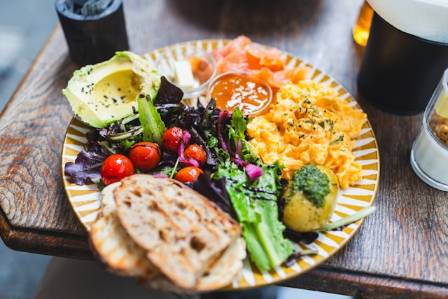
Examples of Healthy Low-Fat Meals
Here are several meal ideas that demonstrate how to create delicious low-fat dishes throughout the day.
Breakfast Ideas
Oatmeal topped with fresh berries and a small portion of nuts provides fiber, nutrients, and lasting energy. Choosing plain oats allows you to control added sugar.
Greek yogurt served with fruit and a small amount of granola offers protein, calcium, and satisfying texture.
A vegetable egg-white omelet made with spinach, onions, peppers, or mushrooms delivers a protein-rich breakfast without excessive fat.
Lunch Options
A large salad filled with leafy greens, colorful vegetables, and grilled chicken or fish makes a nutritious and filling midday meal. A light vinaigrette works well as a dressing.
Lentil soup paired with whole-grain bread provides plant-based protein, fiber, and long-lasting satisfaction.
A whole-wheat sandwich made with lean turkey or tofu and plenty of vegetables offers a balanced combination of protein and carbohydrates.
Dinner Suggestions
Baked salmon accompanied by roasted vegetables such as carrots, broccoli, and sweet potatoes creates a nutrient-dense dinner rich in omega-3 fatty acids.
Chicken stir-fry prepared with lean chicken breast and a variety of vegetables served over brown rice is both flavorful and nutritious.
Vegetarian chili made with beans, tomatoes, and vegetables provides a hearty meal packed with protein and fiber. A spoonful of low-fat Greek yogurt can be added as a topping.
Simple Ways to Reduce Fat in Your Meals
Small adjustments to everyday recipes can significantly lower fat intake while maintaining great flavor.
Choose skim or low-fat dairy products instead of full-fat versions.
Select lean cuts of beef, pork, and poultry and trim away visible fat before cooking.
Use baking, grilling, steaming, roasting, or poaching instead of deep-frying.
Replace butter or shortening with healthier oils such as olive oil or avocado oil.
Check nutrition labels and select products that contain lower amounts of saturated and trans fats.
Eating Out While Following a Low-Fat Lifestyle
Restaurant meals can still fit into a low-fat eating plan with a few smart decisions.
Choose dishes that are grilled, baked, steamed, or roasted instead of fried.
Request dressings, sauces, and condiments on the side so you can control portions.
Add extra vegetables whenever possible to increase fiber and volume.
Consider sharing appetizers or desserts to reduce overall calorie and fat intake.
Be aware of large restaurant portions and consider taking leftovers home.
Sample Weekly Low-Fat Meal Plan
Monday
Breakfast: Oatmeal with berries and nuts
Lunch: Grilled chicken salad with light dressing
Dinner: Baked salmon and roasted vegetables
Tuesday
Breakfast: Greek yogurt with fruit and granola
Lunch: Lentil soup and whole-grain bread
Dinner: Chicken stir-fry with brown rice
Wednesday
Breakfast: Vegetable egg-white omelet
Lunch: Turkey sandwich on whole-wheat bread
Dinner: Vegetarian chili
Thursday
Breakfast: Oatmeal with fresh fruit
Lunch: Leftover vegetarian chili
Dinner: Baked cod with quinoa and steamed asparagus
Friday
Breakfast: Fruit and spinach smoothie with protein powder
Lunch: Light tuna salad with whole-grain crackers
Dinner: Whole-wheat vegetable pizza with reduced-fat cheese
Saturday
Breakfast: Whole-grain pancakes topped with fruit
Lunch: Leftover vegetable pizza
Dinner: Grilled shrimp skewers and mixed salad
Sunday
Breakfast: Scrambled eggs with avocado and whole-wheat toast
Lunch: Chicken Caesar salad with light dressing
Dinner: Roasted chicken breast, sweet potato mash, and green beans
Potential Advantages of Low-Fat Eating
A balanced low-fat eating plan may provide several health benefits.
Supporting Weight Control
Reducing high-fat foods can lower total calorie intake, which may help with weight loss or long-term weight maintenance.
Promoting Heart Health
Limiting saturated and trans fats may improve cholesterol levels and reduce the risk of cardiovascular disease.
Improving Daily Energy
Whole foods rich in nutrients can provide steady energy throughout the day without the highs and lows associated with heavily processed foods.
Supporting Digestive Health
Fiber-rich foods such as fruits, vegetables, legumes, and whole grains help maintain healthy digestion and regular bowel function.
Lowering Chronic Disease Risk
A diet emphasizing plant foods and whole grains may help reduce the likelihood of developing conditions such as type 2 diabetes, heart disease, and certain forms of cancer.
Important Considerations Before Starting
Before making major dietary changes, there are a few important points to keep in mind.
Seek Professional Guidance
Consulting a healthcare provider or registered dietitian can help determine whether a low-fat eating plan is appropriate for your specific needs and health conditions.
Maintain Nutritional Balance
While reducing unhealthy fats is beneficial, it is important to continue consuming adequate amounts of healthy fats and other essential nutrients.
Avoid Excessive Restrictions
Completely eliminating fats is not recommended. Instead, focus on creating sustainable habits and making gradual improvements to your eating pattern.
Conclusion
A well-designed low-fat meal should be nutritious, balanced, and enjoyable. By building meals around whole foods, lean proteins, fruits, vegetables, and quality carbohydrates, you can create dishes that support your health without sacrificing flavor.
Rather than avoiding fat completely, focus on choosing healthier sources and limiting less nutritious options. Combined with mindful portion control and balanced meal planning, low-fat eating can contribute to better overall health, improved energy, and long-term wellness. Always consider speaking with a healthcare professional before making significant dietary changes.
पास की पत्तियाँ

New performance cars launching in 2025
Lucas

2025 के टॉप ऑफ-रोड वाहन: हर इलाके में साहसिकता को मुक्त करना
शुभम

America's Spectacular Mountain Landscapes: 8 Must-See Peaks
Catherine Xu

शीर्ष 10 ड्रैग रेसिंग लीजेंड से मिलें
नवीन

इटली के 10 सबसे खूबसूरत महल, जिन्हें आप देख सकते हैं
लक्ष्मण
जापानी पाक परंपराओं के रोचक पहलू
स्निग्धा अरोड़ा