पत्ती
How to Paint Succulents
watercolor painting is one of the most expressive and free-flowing art forms, making it perfect for capturing the soft, natural beauty of plants. among the most popular botanical subjects are succulents—thanks to their sculptural shapes and subtle yet rich color variations, they are excellent for practicing watercolor techniques.
Caleb Nathaniel Ross
लेखक
झलक
नीचे पूरा पाठ फ़्लोट करता है।
शेल्फ़
स्टोरी लीफ़
watercolor painting is one of the most expressive and free-flowing art forms, making it perfect for capturing the soft, natural beauty of plants. among the most popular botanical subjects are succulents—thanks to their sculptural shapes and subtle yet rich color variations, they are excellent for practicing watercolor techniques.
why paint succulents?
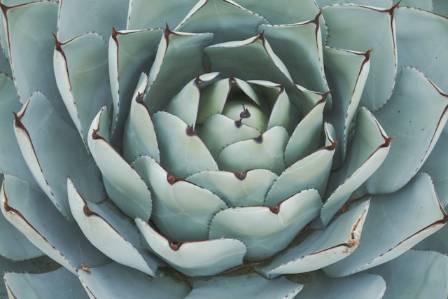
succulents are a great subject for watercolor practice because they come in many shapes, textures, and gentle color shifts that help develop your painting skills. their layered leaves, smooth surfaces, and gradients ranging from cool greens and blues to soft pinks and purples make them visually interesting and versatile.
another advantage is that succulents are very forgiving to paint. their overlapping forms allow gradual color building, and their structured shapes make them easy to outline and fill.
watercolor styles you can try
before starting the step-by-step process, it helps to understand a few watercolor approaches you might want to experiment with:
loose style – focuses on flow and spontaneity. ideal for backgrounds or expressive work, especially for beginners who want freedom with shapes and blending.
realistic style – a more advanced method that uses careful layering and precise brush control to achieve lifelike results. it has roots in classical art traditions and emphasizes detail and accuracy.
line and wash – also known as pen-and-wash. this style combines ink outlines with watercolor fills, either drawn before or after painting. it’s very beginner-friendly and gives a sketchbook feel.
negative painting – instead of painting the subject directly, you paint around it to define its shape. this method uses layering and careful color placement to reveal the subject over time.
tip: masking fluid can be used to protect areas you don’t want to paint over while building background layers.
botanical illustration – a precise and scientific style focused on accurate plant structure, texture, and color. this is more advanced and often used for detailed plant studies.
succulents work well with both loose and detailed approaches, giving you room to explore your own style.
step-by-step: painting succulents in watercolor
step 1: prepare your materials
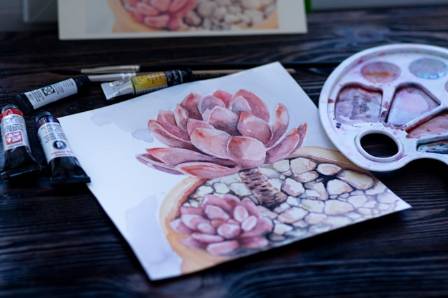
gather your supplies before you begin:
watercolor paints (tube or pan)
watercolor paper (140 lb or heavier recommended)
round brushes (sizes 4–8)
pencil
eraser
water container
paper towel or cloth
reference image or real succulent plant
step 2: decide your composition
choose a reference—this could be a photo, a live plant, or an online image. imagine how it might be placed, such as in a glass pot on a bright table. this helps create a story within your painting.
for beginners, using a reference is very helpful for structure and proportion.
step 3: light sketch
use a pencil to lightly outline your succulent arrangement. keep your lines soft and simple, as this is only a guide for painting.
tip: avoid heavy outlines unless you are using a line-and-wash approach.
step 4: base layer with wet-on-wet technique
wet a section of the paper and gently drop in color. let the paint spread naturally to create soft blends. start with lighter tones first to build a smooth foundation.
this method works well for creating natural gradients seen in succulent leaves.
step 5: add depth with layers
once the first layer is dry, add darker tones using a wet-on-dry technique. this creates sharper edges and more dimension.
remember to let each layer dry completely before adding the next to avoid muddy colors.
step 6: include mid-tones
add colors between light and dark areas to create balance and realism. if needed, test mixes on scrap paper before applying them.
tip: glazing can help fix or adjust colors, while lifting techniques allow you to remove pigment with a tissue or damp brush.
step 7: paint the pot and shadows
use soft neutral tones like light brown or gray for the container. for shadows, use diluted cool gray or violet tones placed under the pot to show direction of light.
step 8: finishing details
add highlights by lifting paint with a damp brush or tissue, especially if your succulents are in glass. refine edges and add small vein details with a fine brush.
step back occasionally to view your painting from a distance for a clearer overall impression.
helpful tips for painting greenery
build color gradually from light to dark
mix greens with blues, yellows, or reds for natural variation
always use reference images for accuracy
practice spiral and curved leaf structures
experiment with textures like salt effects or dry brushing
project idea: create a succulent series
instead of painting just one piece, try making a collection of succulent artworks. this helps improve consistency and allows experimentation with different compositions and styles.
you can paint:
multiple succulents in different pots
a full-page succulent wreath
close-up detailed leaf studies
final thoughts
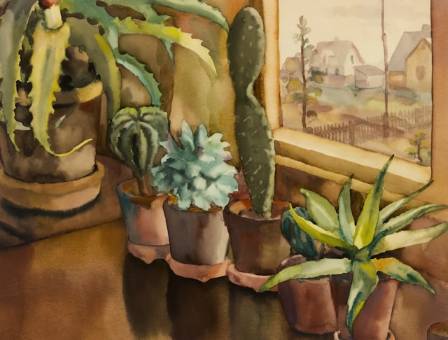
watercolor painting is both relaxing and creative, combining mindfulness with artistic expression. succulents are an ideal subject because they allow you to explore shape, color, and layering in a flexible way.
whether you prefer loose expressive painting or detailed botanical work, watercolor offers endless opportunities for growth.
grab your brush, choose a succulent reference, and start creating your own watercolor artwork today.