पत्ती
Incredible Hidden Truths and Amazing Secrets About the Native Black Bears
The American black bear is a massive mammal inhabiting the vast wilderness of North America. These large creatures possess a very distinctive physical appearance. They feature exceptionally thick dark fur alongside a prominent snout and round ears. They are significantly smaller than their brown cousins. Adult individuals typically range from one point three to one point nine meters in total length. They usually weigh anywhere between sixty and three hundred kilograms. However the largest adult males can reach two meters in length. These exceptional individuals sometimes weigh as much as four hundred kilograms.
Graham Lucy
लेखक
झलक
नीचे पूरा पाठ फ़्लोट करता है।
शेल्फ़
स्टोरी लीफ़
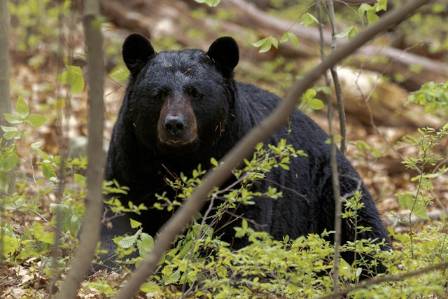
The American black bear is a massive mammal inhabiting the vast wilderness of North America. These large creatures possess a very distinctive physical appearance. They feature exceptionally thick dark fur alongside a prominent snout and round ears. They are significantly smaller than their brown cousins. Adult individuals typically range from one point three to one point nine meters in total length. They usually weigh anywhere between sixty and three hundred kilograms. However the largest adult males can reach two meters in length. These exceptional individuals sometimes weigh as much as four hundred kilograms.
Flexible Foraging Routines and Vital Ecosystem Roles
These large forest mammals are highly adaptable omnivores. They consume a very diverse diet to sustain their massive bodies. They regularly eat wild berries and nutritious nuts. They also feed on various insects and small mammals. Freshwater fish and green plants serve as important food sources too. This flexible diet makes them incredibly essential to their native environments. They actively help control wild plant populations through foraging. They also disperse seeds across massive distances which is absolutely crucial for natural forest regeneration.
Solitary Seasonal Routines and Young Newborn Cubs
These animals are typically solitary creatures that strongly prefer to live and hunt entirely alone. However the adult males and females do come together briefly during the late spring and early summer months to mate. The expectant mother undergoes a gestation period that lasts for seven months. She finally gives birth to a small litter of one to three young cubs during the cold winter season. The newborn cubs are born completely blind and toothless. However they possess a full coat of warm fur at birth. The young animals remain close to their mother for sixteen months to learn essential survival skills before becoming fully independent.
Environmental Regeneration and Soil Nutrient Cycling
Safeguarding these massive animals and their natural habitats is absolutely crucial for preserving healthy wilderness areas. They distribute plant seeds over exceptionally vast distances through their daily movements. Their feeding habits actively aid in the decomposition of fallen logs. This biological breakdown returns vital nutrients directly to the forest soil. They also tear down old branches and open up dense forest canopies. This action allows bright sunlight to filter down to the forest floor which greatly promotes local biodiversity.
Scientific Classification and Global Conservation Status
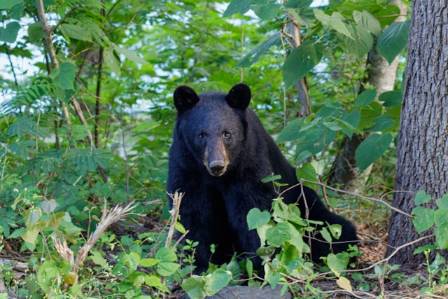
The official scientific designation for this specific animal is Ursus americanus. This Latin title translates directly to American bear in plain English. The species currently holds a status of least concern on the international red list of threatened species. Their overall global population is actually experiencing a steady rise at the present time.
Modern Habitat Challenges and Wild Mountain Territories
Despite their rising numbers these large mammals still face a wide range of modern survival challenges. They suffer from continuous habitat loss due to human expansion. Excessive trophy hunting also threatens certain wild populations. We must continue to ensure these animals live healthily in the wild because they play such a vital role in balancing our ecosystems. These creatures occupy a wide variety of habitats across North America from the cold regions of Canada down to Mexico. They predominantly live inside dense forests where they can easily find ample food and fresh water. They also find excellent shelter and protection among the trees. The animals tend to thrive exceptionally well within rugged high elevation terrains like massive mountain ranges.
पास की पत्तियाँ

Cultivating Your Indoor Eden: The Definitive Guide to Professional-Grade Indoor Gardening
Stella Campbell

The Future of Communications: 10 Pivotal Ways AI Will Reshape How We Connect
Andrew Harris

दुनिया भर की 20 सबसे शानदार बिग वॉल क्लाइंब
युवराज

पेंट ब्रश बनाने का इतिहास
नीरजन

9 फूल जो पूरे साल खिलते हैं
स्नेहा

दुनिया के शीर्ष 10 आड़ू
शक्ति