Sparkling water has become a ubiquitous beverage in recent years, capturing the attention of health-conscious consumers and casual drinkers alike. By 2020, the global sparkling water market had surged to a staggering $29 billion, a testament to its popularity as a seemingly guilt-free alternative to sugary sodas and sweetened beverages.1 With zero calories, no added sugars, and a refreshing fizz, it’s easy to see why many people view sparkling water as a healthy choice. However, when flavors like lemon, grapefruit, or berry are added, the narrative becomes more complex. To unpack whether flavored sparkling waters are truly good for you, we turn to expert insights from Sean Hashmi, MD, a physician and regional director of weight management and clinical nutrition for Kaiser Permanente Southern California, who breaks down the key considerations—from carbonation’s effects to the hidden risks of artificial sweeteners and the truth behind “natural flavors.”
The Rise of Sparkling Water: Why It’s Everywhere
The appeal of sparkling water lies in its ability to satisfy cravings for bubbly, flavorful drinks without the excess calories and sugar found in sodas. For those looking to cut back on added sugars (a major contributor to obesity, diabetes, and heart disease), sparkling water offers a refreshing alternative that quenches thirst and provides a satisfying sensory experience—thanks to its effervescence. It’s also versatile: enjoyed on its own, paired with meals, or used as a base for mocktails and cocktails. However, as demand has grown, so has the variety of flavored options, ranging from citrus-infused to exotic fruit blends. While plain sparkling water is simply water with added carbon dioxide, flavored versions often include additional ingredients that raise questions about their health impact. Understanding these differences is key to making informed choices about what you drink.
Carbonation: Does Fizz Affect Your Health?
At its core, sparkling water gets its signature bubbles from carbon dioxide (CO2) that’s pressurized and dissolved into water. This process, known as carbonation, is what gives the drink its lively fizz—but does it have any health implications? Unlike sugary sodas, plain sparkling water has no calories or sweeteners, so it doesn’t contribute to weight gain directly. However, research suggests that carbonation itself may influence hunger and eating habits. A 2017 study published in Obesity Research & Clinical Practice found that carbon dioxide in carbonated beverages triggered a spike in ghrelin—the “hunger hormone”—in both rats and humans.2 In rats, this increase in ghrelin led to overeating and subsequent weight gain; in humans, the hormone surge was associated with increased feelings of hunger. Dr. Hashmi explains that while this effect may be subtle for some people, it’s worth noting for those trying to manage their appetite or weight. Additionally, some individuals may experience mild digestive discomfort, such as bloating or gas, from the carbon dioxide, though this tends to vary based on personal tolerance.
Flavored Sparkling Waters: The Catch with Artificial Sweeteners
The biggest concern with flavored sparkling waters isn’t the carbonation—it’s the sweeteners used to create their fruity, appealing taste. To achieve sweetness without calories, most flavored sparkling waters rely on artificial sweeteners like stevia, aspartame, sucralose, and acesulfame potassium (Ace-K). These sweeteners are far more potent than sugar—ranging from 200 to 20,000 times sweeter—yet contribute no calories to the drink.3 While this may seem like a win for calorie-conscious consumers, Dr. Hashmi warns that artificial sweeteners come with their own set of risks. One of the most significant issues is their impact on taste buds and cravings. When you consume something exponentially sweeter than sugar, your palate becomes accustomed to that intense sweetness, making naturally sweet foods like apples, strawberries, or even plain fruit feel less satisfying. Over time, this can lead to increased cravings for unhealthy, sugary snacks and desserts, as your body seeks out the level of sweetness it has grown used to. “It’s a cycle,” Dr. Hashmi explains. “Artificial sweeteners trick your brain into wanting more sweetness, which can be hard to break.” Beyond cravings, long-term consumption of artificial sweeteners has been linked to more serious health concerns. A 2017 study in Stroke found that individuals who consumed higher amounts of artificial sweeteners over several decades had a dramatically increased risk of stroke and dementia compared to those who drank fewer sweetened beverages.3 Other research has suggested potential links to heart disease, metabolic syndrome, and gut microbiome disruptions, though more studies are needed to confirm these associations.
“Natural Flavors”: Are They Really Healthier?
Many flavored sparkling waters market themselves as “natural,” featuring labels that list “natural flavors” as an ingredient instead of artificial sweeteners. This term often leads consumers to assume the product is healthier or more wholesome—but the reality is more nuanced. According to Dr. Hashmi, “natural flavors” is a somewhat misleading term used by the food industry to appeal to health-conscious buyers. “People think ‘natural’ means it’s made by squeezing a lemon or muddling berries, but that’s rarely the case,” he says. Under U.S. Food and Drug Administration (FDA) regulations, “natural flavors” are defined as substances derived from plants, animals, or microorganisms that are processed to recreate specific tastes.4 This means food chemists in labs extract compounds from natural sources (like citrus peels, fruits, or herbs) and refine them to create concentrated flavorings. Unlike fresh fruit, these natural flavors add no nutritional value—they’re purely for taste. What’s more, the term “natural flavors” is a catch-all that doesn’t require companies to disclose the specific ingredients or processing methods used. This lack of transparency means consumers can’t be sure if the “natural flavor” in their sparkling water is a simple fruit extract or a complex mixture of compounds, some of which may still be processed with chemicals. Even more importantly, many “naturally flavored” sparkling waters still contain artificial sweeteners to enhance sweetness—blurring the line between “natural” and “artificial” and undermining the perception of healthfulness.
Healthier Alternatives: How to Flavor Water Without Artificial Additives
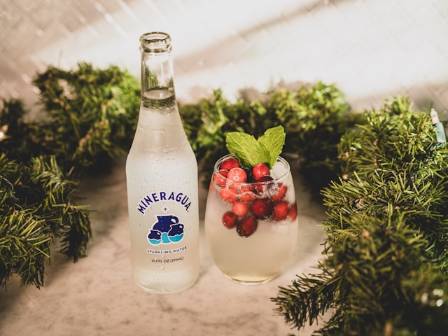
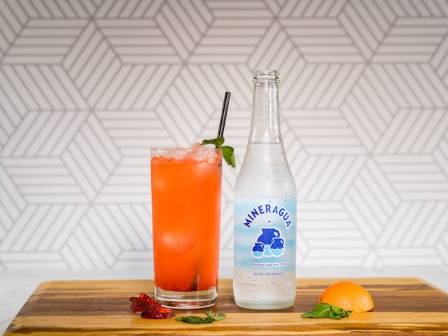
So, what’s the healthiest way to enjoy sparkling water (or any water) with flavor? Dr. Hashmi’s advice is simple: “Stick to plain water first and foremost—it’s the best drink for your body, bar none.” If you crave fizz, plain carbonated water (also known as seltzer or club soda, without added salts) is a safe, healthy choice. For those who want more flavor without artificial sweeteners or processed additives, the solution is to add fresh ingredients yourself. “Slice up some lemons, limes, berries, cucumber, or mint and drop them into your water or sparkling water,” Dr. Hashmi suggests. “This way, you’re getting real fruit flavor with no hidden chemicals, and you can control exactly what goes into your drink.” Fresh fruit infusions not only add natural sweetness and aroma but also provide small amounts of vitamins, minerals, and antioxidants—something artificial or lab-made flavors can’t offer. Another benefit of making your own flavored water is that your taste buds will adapt over time. Dr. Hashmi notes that “it takes just 7 to 10 days of cutting out artificial sweeteners for your palate to reset.” After this adjustment period, naturally sweet foods like fruit will taste sweeter, and your homemade infused water will be more satisfying—no artificial additives required. For example, a glass of sparkling water with fresh strawberry slices or cucumber and mint will feel flavorful and refreshing, without the need for concentrated sweeteners.
Conclusion: Simplify Your Drinks for Better Health
The bottom line when it comes to flavored sparkling waters is this: plain sparkling water (with no added flavors, sweeteners, or salts) is a healthy alternative to sugary drinks. However, flavored versions—whether labeled “artificial” or “natural”—often contain artificial sweeteners or processed flavorings that may have unintended health consequences, from increased cravings to long-term risks like stroke and dementia. The best choice for your health is to opt for plain water (still or sparkling) and add natural flavorings yourself using fresh fruit, herbs, or vegetables. By doing so, you avoid the hidden pitfalls of artificial sweeteners and processed “natural flavors” while enjoying a refreshing drink that nourishes your body. As Dr. Hashmi puts it, “Nature provides plenty of sweetness on its own—we don’t need lab-made substitutes to make water taste good.” If you have questions about artificial sweeteners, flavored beverages, or your overall diet, consulting with your healthcare provider can help you make personalized choices that align with your health goals.