← होम स्पेस2 मि.
पत्ती
What Is a Wind Vane?
A wind vane (also called a weathervane) is an instrument that measures which direction the wind is coming from. You often see them on rooftops or towers—historically, they were decorative features atop barns or churches. Today, they’re a functional part of weather stations. Many modern stations, including those from Davis Instruments, include wind vanes as standard equipment.
E
Ethan Miller
लेखक
झलक
नीचे पूरा पाठ फ़्लोट करता है।
शेल्फ़
स्टोरी लीफ़
A wind vane (also called a weathervane) is an instrument that measures which direction the wind is coming from. You often see them on rooftops or towers—historically, they were decorative features atop barns or churches. Today, they’re a functional part of weather stations. Many modern stations, including those from Davis Instruments, include wind vanes as standard equipment.
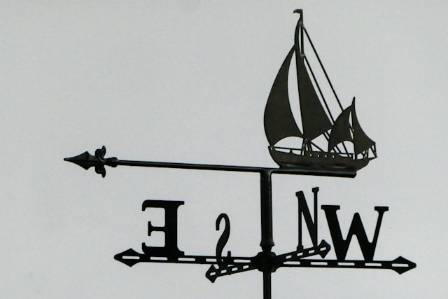
How It Works
The vane is mounted on a vertical shaft or spire placed high above the ground.
When the wind blows, it pushes against the rudder-like fin, causing it to rotate.
The narrow end of the vane points into the wind, indicating its direction.
Modern wind vanes are built with high sensitivity so they can detect even subtle changes in direction, and they’re designed to endure harsh weather conditions.
What It Measures
A wind vane primarily measures wind direction. In many modern systems, it’s paired with wind cups (on the same axis) that measure wind speed — so you get both direction and speed from one combined instrument. These devices often include data logging and wireless data transmission capabilities.
Installation Guidelines
The ideal installation height is about 30 feet (≈ 9 meters) above ground level, especially in relatively flat terrain.
To avoid interference, the vane should be placed so that the nearest large obstacle is at least twice its height away. Otherwise, turbulence from nearby objects may distort measurements.
While perfect siting isn’t always possible, Davis’s wind vanes are engineered to provide accurate data even under less-than-ideal conditions.
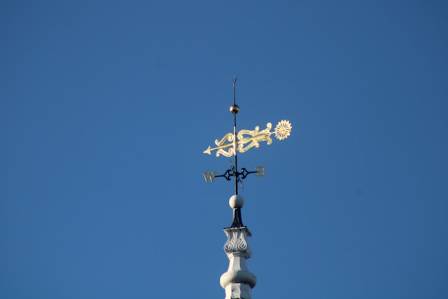
Uses & Importance
Wind direction data is useful across many fields:
Meteorology: Helps track weather systems and anticipate changes.
Wildfire & pollution: Predicts where smoke or hazardous materials may drift.
Marine & aviation: Guides navigation and flight planning.
Construction
Especially for tall structures and cranes where wind direction matters.
Davis offers wind vanes both as integrated parts of their weather stations and as standalone or remote units — all designed for stability and precision even in challenging conditions.
पास की पत्तियाँ

hi
एथनिक वियर चुनने के लिए एक व्यापक गाइड: फिटिंग, फैब्रिक और स्टाइल
किशोर मिश्र

hi
टेनिस के इतिहास में सबसे ज़्यादा ग्रैंड स्लैम किसने जीते हैं?
माया

en
How to Make a Stunning Fruit Tray Platter
Marin Ashford

hi
पौष्टिक, पहले से तैयार किए जा सकने वाले नाश्ते के ओट्स बाउल
मुस्कान गांगुली

hi
रोबोटिक जानवरों का विकास: प्राचीन स्वचालित यंत्रों से लेकर आधुनिक साथियों तक
स्मृति सारस्वत

hi
दुनिया भर की 20 सबसे शानदार बिग वॉल क्लाइंब
युवराज