पत्ती
Guide to Growing Healthy Plum Trees
Plum trees are an excellent addition to any garden, providing a generous harvest of sweet fruit during the summer and early autumn. Beyond the fruit, these trees produce beautiful blossoms in the spring that attract bees and other helpful pollinators. Plum trees are relatively straightforward to look after, provided they are planted in the right location. With a bit of annual maintenance and proper care, a healthy tree will reward you with plentiful crops for many years.
Andrew David Thompson
लेखक
झलक
नीचे पूरा पाठ फ़्लोट करता है।
शेल्फ़
स्टोरी लीफ़
Plum trees are an excellent addition to any garden, providing a generous harvest of sweet fruit during the summer and early autumn. Beyond the fruit, these trees produce beautiful blossoms in the spring that attract bees and other helpful pollinators. Plum trees are relatively straightforward to look after, provided they are planted in the right location. With a bit of annual maintenance and proper care, a healthy tree will reward you with plentiful crops for many years.
Selecting the Best Varieties
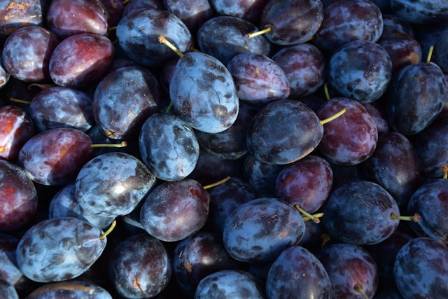
When choosing a plum tree, you should first decide whether you want fruit for eating fresh or for cooking. Dessert plums are typically the sweetest and best for eating straight from the tree, while culinary plums are generally intended for use in recipes, jams, and desserts. There are also dual-purpose varieties that perform well in both roles, which is a perfect choice if you only have space for a single tree.
You should also consider the size of the tree you need. Plum trees are grafted onto rootstocks that determine how large they will grow. Vigorous rootstocks create large trees, while dwarfing or semi-dwarfing rootstocks are perfect for smaller gardens or for training into specific shapes. If you live in an area that experiences late spring frosts, look for varieties that flower later in the season to protect the blossoms from damage. It is also important to check if your chosen tree is self-fertile. Self-fertile trees can produce fruit on their own, while others require a nearby partner variety that flowers at the same time to ensure successful pollination.
Planting Your Tree
The ideal time to plant a plum tree is during the dormant season, which falls between late winter and early spring. Choose a site that is sunny and sheltered, as plums prefer a warm spot to produce their best yields. The soil should be fertile and well-drained. While they can grow in various soil types, they thrive best in loamy soil that remains consistently moist without becoming waterlogged. Avoid planting in low-lying areas where frost settles, as this can destroy the flowers before they turn into fruit. If you are planting near a wall or fence, provide enough space for the roots to establish and consider using supports if you intend to train the branches flat.
Growing Plums in Containers
If you do not have a large garden, you can successfully grow compact plum varieties in containers. You must select a tree grafted onto a dwarfing rootstock to keep its size manageable. Use a large, sturdy pot with good drainage holes and fill it with a high-quality, loam-based compost. Because trees in pots cannot seek out their own nutrients or water, you will need to be diligent about watering and feeding throughout the growing season. Ensure the compost stays moist but not soggy, and apply a suitable fertilizer regularly during the warmer months to support healthy growth and fruit production.
Ongoing Care and Maintenance
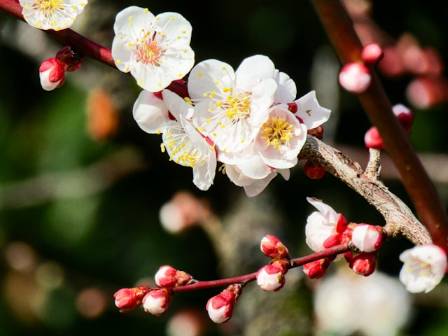
Once your tree is established in the ground, it requires relatively little daily attention. Watering is most important for young trees during their first year and for any trees grown in containers. If the summer is particularly dry, a deep, thorough watering will help the fruit develop properly. Applying a mulch of organic matter, such as compost or rotted manure, around the base of the tree in late winter or early spring is very beneficial. This helps the soil retain moisture, suppresses weeds, and provides a slow release of nutrients. If your tree carries a very heavy crop, it is wise to thin out the young fruits early in the summer. Removing excess fruit allows the remaining plums to grow larger and prevents the branches from breaking under the weight of too much fruit.
Pruning and Training for Health
Annual pruning is essential to keep your plum tree productive and healthy. It is important to prune during the summer, rather than in the winter, to reduce the risk of the tree contracting fungal diseases. The goal of pruning is to create a balanced structure that allows plenty of light and air to reach the center of the tree. You can train trees into various shapes, such as a goblet-shaped bush, a pyramid, or a fan against a wall. Removing damaged, dead, or crossing branches helps the tree focus its energy on fruit production. If you have an overgrown tree, spread the heavy pruning work over several summers rather than doing it all at once to avoid shocking the plant.
Harvesting and Protecting the Crop
Plums develop the best flavor when they are allowed to ripen on the tree. You can tell they are ready to pick when they are fully colored and feel slightly soft to the touch. Because fruits on the same tree may ripen at different times, you will likely need to harvest over several weeks. Handle the fruit gently to avoid bruising, and use them immediately for eating, cooking, or freezing. To protect your crop from issues like frost, you can cover the blossoms with protective fabric during cold spring nights. If birds are a problem, you can place netting over the tree to ensure you get to enjoy the harvest yourself.
पास की पत्तियाँ

अब तक की 10 सबसे प्रसिद्ध पेंटिंग
किरण

दुनिया में शीर्ष 10 सबसे शानदार समुद्र तट
जॉन

ड्रेस की लंबाई पर एक व्यापक मार्गदर्शिका: अपनी आदर्श हेमलाइन का चयन करें
सुखदेव कश्यप

कंप्यूटर के इतिहास पर बच्चों के लिए एक बेहतरीन गाइड
दिव्या

इलेक्ट्रिक वाहनों को अपनाने के लाभ और प्रमुख कारक
सुनीता हुड्डा

3 Frequented Cities in the United States
Makayla