← होम स्पेस2 मि.
पत्ती
10 Things You Didn’t Know About Parrots
Parrots are known for their exceptional longevity. While many similarly sized birds live just a few years, most parrot species have an average lifespan of 30 years, and some—like larger macaws and cockatoos—can live 80 years or more. Research suggests that parrots with larger brains tend to live longer, thanks to enhanced adaptability.
J
Jordan Miller
लेखक
झलक
नीचे पूरा पाठ फ़्लोट करता है।
शेल्फ़
स्टोरी लीफ़
They Live Surprisingly Long Lives
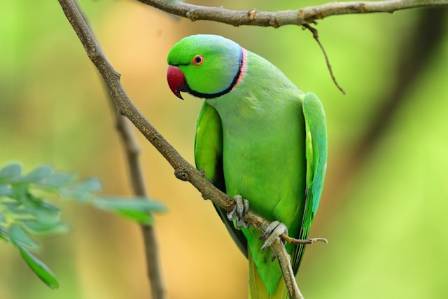
Parrots are known for their exceptional longevity. While many similarly sized birds live just a few years, most parrot species have an average lifespan of 30 years, and some—like larger macaws and cockatoos—can live 80 years or more. Research suggests that parrots with larger brains tend to live longer, thanks to enhanced adaptability.
They Use Their Feet to Eat
Unlike many birds, parrots regularly use their feet to handle food. Their strong, dexterous feet act like hands, gripping nuts, fruits, or seeds and bringing them up to the beak. This unique trait makes their eating habits somewhat similar to how humans use their fingers.
Masters of Mimicry
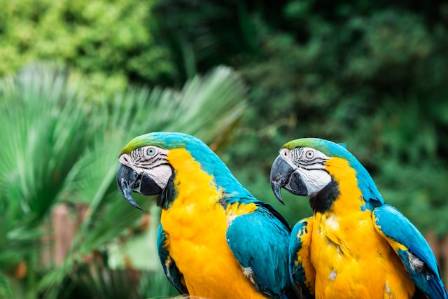
Parrots are among the very few animals capable of imitating human speech. While some other birds, like crows and mynahs, can mimic sounds, parrots excel at producing clear, recognizable words and phrases. Notably, a few non-avian animals—such as elephants, beluga whales, and seals—have also demonstrated vocal mimicry.
Omnivorous Appetites
Parrots are omnivores with diverse diets. In the wild, they consume fruits, nuts, seeds, leafy greens, vegetables, insects, and even small amounts of meat. This varied nutrition supports their high energy and cognitive needs.
Often Mate for Life
Many parrot species form strong, lasting pair bonds. Once a male and female establish a partnership, they typically remain together for life, sharing tasks like feeding, preening, and raising young. They usually separate only if breeding fails or one partner dies.
Size Varies Dramatically
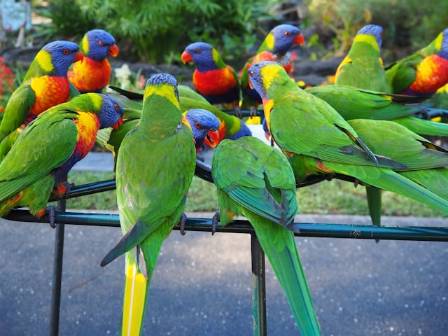
Parrots range widely in size. The kakapo, a flightless nocturnal parrot from New Zealand, can weigh up to 7 pounds, making it the heaviest parrot species. In contrast, the tiny pygmy parrot of New Guinea measures only about 3 inches long.
Incredibly Powerful Beaks
A parrot’s beak is a multipurpose tool used for eating, climbing, grooming, playing, and caring for chicks. Larger species have beaks strong enough to crack hard nuts—some can even break through Brazil nut shells with ease.
Small Clutches of Eggs
A female parrot typically lays between two and eight eggs per clutch. Both parents usually share incubation duties over the 18- to 30-day period. Hatchlings are born featherless and begin developing their plumage at about three weeks old.
A Group Is Called a Pandemonium
A gathering of parrots is most colorfully known as a “pandemonium”—a fitting term given their lively, noisy nature. They may also be called a flock or a company.
Intelligent and Social Companions
Parrots are highly intelligent, emotional, and social animals that require substantial interaction and mental stimulation. They bond closely with their human caretakers and can become distressed if left alone for long periods. While they make engaging pets, they also demand significant time, patience, and commitment.
पास की पत्तियाँ

en
Traditional Tiramisu Guide: A Silky, Simple Italian Delicacy
Zoe

en
The Deep Impact of Indoor Illumination on Daily Health and Comfort
Kingston David Shaw

en
The Most Unique Lighthouses in the World
Ella Jordan

hi
रॉयल्स और विद्रोही: प्लेड से लेकर लेडी डि की मुक्त भावना तक यूरोपीय फैशन पर ब्रिटिश प्रभाव
गीता

en
White Coffee Table Styles for a Crisp Living Room Aesthetic
Rosalie Quinn

hi
बुद्धिमान निदान और रखरखाव: क्यू रोबोट प्रणाली का एक अवलोकन
कांता चौधरी