← होम स्पेस3 मि.
पत्ती
Mountain Monarchs of Central Asia
Amid the vast and rugged mountain landscapes of Central Asia roams the argali sheep (Ovis ammon), the world’s largest wild sheep species. With massive, spiraling horns and powerful physiques, these animals embody the strength and endurance needed to survive in high-altitude terrain. Their presence is vital not only for ecosystem balance but also for the survival of apex predators like the snow leopard.
O
Owen Merrick
लेखक
झलक
नीचे पूरा पाठ फ़्लोट करता है।
शेल्फ़
स्टोरी लीफ़
Amid the vast and rugged mountain landscapes of Central Asia roams the argali sheep (Ovis ammon), the world’s largest wild sheep species. With massive, spiraling horns and powerful physiques, these animals embody the strength and endurance needed to survive in high-altitude terrain. Their presence is vital not only for ecosystem balance but also for the survival of apex predators like the snow leopard.
Giants of the High Country
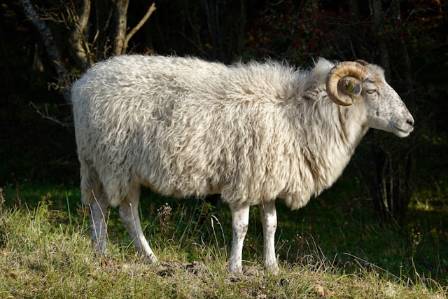
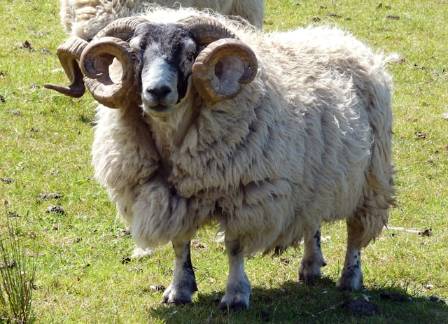
Argali rams, distinguished by their towering, curved horns, often dwarf the smaller-horned females. These impressive horns, reaching up to 191 cm, are used during fierce mating-season battles between males. Despite their formidable appearance, argali are prey to wolves and snow leopards and have become increasingly vulnerable due to human activity.
A Species Under Pressure
Once widespread across Central Asia, argali numbers have significantly dropped over the past century. The species is now classified as Near Threatened by the IUCN (2020) and is listed in the national Red Books of Kazakhstan, Kyrgyzstan, and Tajikistan. Under international agreements such as CMS and CITES, the argali is considered a species in need of coordinated global conservation efforts.
Where They Roam
Argali inhabit a range of elevations—from 300 to 5,000 meters above sea level—preferring open slopes, rocky ridges, and steppe valleys free of dense vegetation. During summer, they migrate to high alpine zones, retreating to lower elevations in winter. Their territory spans numerous countries, including China, Kazakhstan, Kyrgyzstan, Tajikistan, Mongolia, and others. However, their habitat is highly fragmented, with limited connectivity between populations, some of which extend across national borders.
In Kazakhstan, argali occupy the Melkosopochnik hills and the Tarbagatay and Saur ranges near China. In Kyrgyzstan, they reside mostly in the southeast and east, while in Tajikistan, they spread across the eastern third of the country.
Ecological Role
The argali plays a crucial part in mountain ecosystems. As grazers, they influence vegetation patterns and contribute to seed dispersal. Their feeding behavior promotes regenerative plant growth and increases the availability of nutrients like nitrogen in the soil. These natural processes support a wide array of other wildlife and maintain grassland health.
Moreover, argali serve as a cornerstone prey species for large carnivores. Protecting argali populations helps maintain the balance between predators and herbivores in fragile mountain ecosystems.
Challenges to Survival
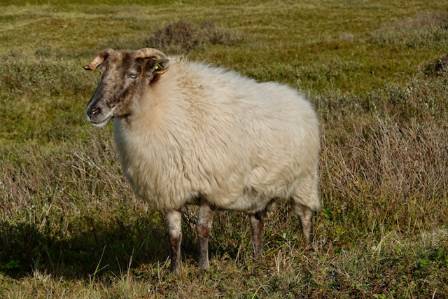
Argali face numerous threats, chief among them illegal hunting and habitat competition from domestic livestock. Trophy hunting, driven by the allure of their massive horns, poses a significant danger. Although this interest has led to conservation efforts in some areas, unsanctioned hunting remains a critical issue.
Encroachment by domestic sheep and goats has forced argali into less hospitable terrain. Overgrazing depletes the natural vegetation argali rely on, while herding activities bring noise, disturbance, and diseases. Livestock-borne illnesses are increasingly affecting wild argali, especially as rising temperatures lead to more frequent outbreaks among domestic animals.
Climate change further compounds these pressures. Melting glaciers and diminished snowpack threaten water sources that nourish the grasses argali depend on, especially in river valleys and riparian zones. Loss of these green corridors reduces suitable grazing land and accelerates habitat fragmentation.
A Call for Cooperation
The conservation of argali sheep is a shared responsibility among range countries. Their cross-border migrations demand international strategies to protect habitats and regulate hunting and trade. Safeguarding this iconic mountain species is vital—not only for the survival of the argali but also for the rich web of life that depends on them.