पत्ती
Fascinating Discoveries About the Iconic French Macaron
The French macaron is widely considered one of the most sophisticated treats in the world of pastry. Often confused with the coconut-based macaroon, these delicate meringue sandwich cookies offer a unique textural experience, featuring a crisp outer shell and a tender, chewy interior. Crafted primarily from egg whites, sugar, and almond flour, they serve as a canvas for an endless variety of flavors, ranging from traditional chocolate and lemon to more botanical blends like rose and lavender. Their reputation for elegance has made them a staple of high culture and a favorite subject in art and design.
Dominic Reeves
लेखक
झलक
नीचे पूरा पाठ फ़्लोट करता है।
शेल्फ़
स्टोरी लीफ़
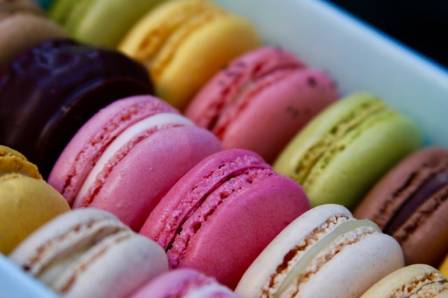
The French macaron is widely considered one of the most sophisticated treats in the world of pastry. Often confused with the coconut-based macaroon, these delicate meringue sandwich cookies offer a unique textural experience, featuring a crisp outer shell and a tender, chewy interior. Crafted primarily from egg whites, sugar, and almond flour, they serve as a canvas for an endless variety of flavors, ranging from traditional chocolate and lemon to more botanical blends like rose and lavender. Their reputation for elegance has made them a staple of high culture and a favorite subject in art and design.
The Surprising Italian Heritage
Despite their strong association with French culinary identity, macarons actually originated in Italy. They were introduced to the French court in the 16th century by Catherine de Medici, an Italian noblewoman who became the Queen of France. Historical accounts suggest these treats accompanied her as early as 1533. Local legends even claim that the calorie-dense almond cookies once served as a vital source of sustenance for the Queen during a period of crisis, cementing their place in French history long before they became the colorful sandwiches we recognize today.
A Global Celebration for a Worthy Cause
The popularity of the macaron is so immense that it has its own dedicated holiday. Every year on March 20th, confectioneries across major cities like New York, London, and Paris celebrate World Macaron Day. Many high-end bakeries participate by offering complimentary samples to customers. Once these initial supplies are exhausted, a portion of the day's sales is typically donated to various charitable organizations. This makes the cookie a favorite not only for its gluten-free qualities but also for its contribution to community welfare.
International Luxury and Secret Traditions
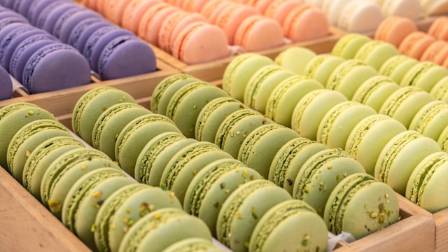
In luxury hubs like Dubai, the demand for authentic macarons is so high that they are frequently imported directly from France by air. This global transport adds to their status as a premium commodity. Travelers often encounter breathtaking displays where the cookies are arranged in elaborate structures, such as spiraling towers or gold-flecked holiday decorations. This level of craftsmanship hints at the long history of the pastry, which gained significant fame during the French Revolution. At that time, two nuns seeking refuge reportedly baked and sold the cookies to fund their housing, utilizing a secret recipe that some manufacturers claim to still follow today.
The Evolution of the Modern Sandwich
The contemporary appearance of the macaron is a relatively modern invention. For centuries, the treat consisted only of a single meringue disc without any filling. It wasn't until the early 20th century that the concept of the "sandwich" emerged. Pierre Desfontaines, associated with the famous patisserie Ladurée, is often credited with the innovation of joining two shells together using ganache, buttercream, or jam. This transformation turned a simple biscuit into the luxurious, multi-layered masterpiece that continues to define the sweet life for dessert lovers globally.
पास की पत्तियाँ
पार्टियों के लिए 15 मनमोहक बाइट-साइज़ डेसर्ट (या किसी भी समय!)
कनिष्क

पक बैटल: माइंडसेट, टेक्निक और कैसे बेहतर करें
वरुण

Interesting Details About Puffins
Isabella Ward
The Ultimate Supercar Showcase: Icons of Speed and Engineering
Benjamin Cole Kensington
Monte Palace Madeira Garden: A World of Art and Nature in the Mountains
Zoe Phillips
Contemporary Wood Art Styles You Need to See
Peyton Grey