पत्ती
Famous Sunset Paintings in Art History
The beauty of a sunset has long fascinated artists, inspiring them with its dramatic interplay of light, color, and atmosphere. In this exploration, “10 Iconic Sunset Paintings in Art History,” we examine a collection of masterpieces that depict the sun’s descent in uniquely compelling ways.
Felix Jude
लेखक
झलक
नीचे पूरा पाठ फ़्लोट करता है।
शेल्फ़
स्टोरी लीफ़
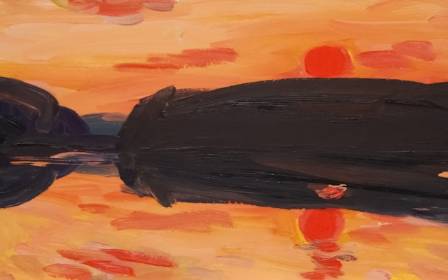
The beauty of a sunset has long fascinated artists, inspiring them with its dramatic interplay of light, color, and atmosphere. In this exploration, “10 Iconic Sunset Paintings in Art History,” we examine a collection of masterpieces that depict the sun’s descent in uniquely compelling ways.
These works not only highlight the visual splendor of sunsets but also showcase the variety of artistic approaches and styles that have emerged over time.
Introduction
From the gentle pastels of early morning to the fiery hues of twilight, sunsets have been a perennial source of fascination for artists. This article explores how painters from different movements—from the Impressionists like Claude Monet to Expressionists such as Edvard Munch—have represented sunsets in their art. Each painting provides a distinct interpretation, revealing how the day’s final light continues to inspire creative expression.
By examining these works, we can appreciate how artists use color, composition, and lighting to convey mood and emotion. From calm, reflective landscapes to dramatic skies ablaze with color, sunsets often evoke both visual pleasure and deeper symbolic meaning.
Let’s journey through these ten renowned sunset paintings that exemplify the enduring appeal of this natural spectacle.
“Impression, Sunrise” – Claude Monet (1872)
Monet’s “Impression, Sunrise” depicts a fleeting sunrise over Le Havre’s harbor, and it famously gave Impressionism its name. The loose brushwork and luminous treatment of light transform a simple port scene into a revolutionary piece of art. The hazy sun reflecting on the water evokes a sense of impermanence and delicate beauty, challenging traditional artistic norms.
“Sunset in Venice” – Claude Monet (1908-1912)
This painting captures Venice bathed in the warm glow of the setting sun. Monet’s characteristic brushstrokes create a dreamy, ethereal quality, portraying the city’s romantic and transient atmosphere. The interplay of light on the lagoon and architecture exemplifies Monet’s fascination with the effects of color and illumination.
“The Scream” – Edvard Munch (1893)
Though not a conventional sunset, Munch’s “The Scream” features a sky painted in intense sunset hues, reflecting emotional turmoil and existential anxiety. The vivid red and orange sky contrasts with the anguished figure in the foreground, exemplifying Expressionism’s focus on inner experience over literal depiction.
“Sunset at Montmajour” – Vincent van Gogh (1888)
Van Gogh’s depiction of Montmajour in the evening showcases his bold, dynamic style. Thick, swirling brushstrokes and rich colors capture the movement and emotional energy of the landscape. The painting conveys the wild beauty of nature at dusk, with the sunset intensifying the emotional resonance of the scene.
“The Fighting Temeraire” – J.M.W. Turner (1839)
Turner’s painting commemorates the final voyage of the warship Temeraire against the backdrop of a striking sunset. The contrast between the ship’s fading grandeur and the luminous sky highlights Turner’s Romantic mastery of light and atmosphere, symbolizing transition and impermanence.
“Sunset on the Seine at Lavacourt, Winter Effect” – Claude Monet (1879-1880)
Monet captures a serene winter sunset over the Seine, with the frozen river reflecting soft pastel hues. The painting conveys tranquility and subtle beauty, demonstrating Monet’s continued exploration of light and its effects on natural landscapes.
“Sunset” – Georgia O’Keeffe (1972)
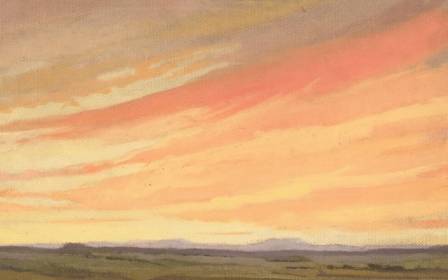
O’Keeffe’s modern, abstract approach simplifies the desert sunset to its essential forms. Broad strokes of warm colors evoke the glowing horizon, reflecting her talent for distilling natural phenomena into minimalistic yet striking compositions.
“The Houses of Parliament, Sunset” – Claude Monet (1903)
Part of a series, this work depicts London’s iconic landmark illuminated by the setting sun. Monet’s impressionistic style captures the fleeting changes of light and color on the Thames, emphasizing the ephemeral qualities of natural illumination.
“Haystacks at Giverny, Sunset” – Claude Monet (1888-1889)
Monet’s “Haystacks” series focuses on the effects of light at different times of day. In this piece, the haystacks glow under the warm sunset, with shadows adding depth and contrast. The painting demonstrates Monet’s mastery in capturing the subtle interplay between light and form.
“Venice, Storm at Sunset” – Joseph Mallord William Turner (1840)
Turner’s depiction of a stormy Venetian sunset is dramatic and atmospheric. His fluid, expressive brushwork combines reality and imagination, capturing the city’s essence through vibrant light and color. The painting exemplifies Romantic art’s emphasis on emotion and spectacle.
Conclusion
Sunsets have inspired artists across movements and eras, each bringing a unique perspective to this universal theme. From Monet’s serene countryside scenes to Turner’s dramatic Venetian skies, these ten paintings reveal the endless possibilities of portraying the end of the day. Beyond their visual beauty, they also convey emotion, symbolism, and the passage of time, securing their place in the history of art.
Q&A
Q: Which colors are most commonly used in sunset paintings?
Sunsets typically feature warm tones—reds, oranges, pinks, and yellows—contrasted with cooler blues and purples for the sky and landscape. The palette may vary depending on the artist’s style and the mood they aim to create.
Q: How do sunrise and sunset paintings differ?
Sunrises often suggest calmness and renewal, with softer, cooler colors. Sunsets generally feature warmer, more intense colors and dramatic light, evoking endings, reflection, or emotional intensity.
Q: How do artists interpret sunsets differently?
Interpretations vary: Monet focused on light and color, capturing subtle atmospheric changes, while Turner emphasized mood and drama with expressive, almost abstract depictions.
Q: What symbolism is associated with sunsets?
Sunsets often signify the passage of time, endings, reflection, or the fleeting beauty of life. Artists may imbue their work with personal or universal meanings.
Q: What techniques are useful for painting sunsets?
To paint a sunset, start with gradient skies, warm near the horizon and cooler above. Layering and glazing can enhance luminosity, while silhouettes and contrasts add depth and drama to the scene.