पत्ती
Tibetan Antelope: Adaptations, Threats, and Conservation
The Tibetan antelope, commonly called the chiru (Pantholops hodgsonii), is a medium-sized mammal native to the northeastern regions of the Tibetan Plateau. Its main populations are found in China, with smaller groups in India and Bhutan.
Julian Frost
लेखक
झलक
नीचे पूरा पाठ फ़्लोट करता है।
शेल्फ़
स्टोरी लीफ़
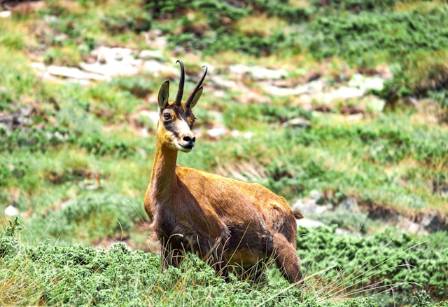
The Tibetan antelope, commonly called the chiru (Pantholops hodgsonii), is a medium-sized mammal native to the northeastern regions of the Tibetan Plateau. Its main populations are found in China, with smaller groups in India and Bhutan.
Known for surviving in one of the harshest high-altitude environments on Earth, the chiru is a remarkable example of evolutionary adaptation to extreme conditions.
Adaptations and Natural Habitat
Chiru are well-equipped to live in the Tibetan Plateau, which ranges from 3,250 to 5,500 meters (10,660 to 18,040 feet) above sea level. Their dense, woolly undercoat provides exceptional insulation, allowing them to withstand temperatures as low as -40°C (-40°F). This lightweight yet extremely warm fur is among the most effective natural insulators in the animal kingdom, helping the chiru maintain body heat in the frigid plateau.
Additionally, the Tibetan antelope has enlarged nasal passages that help extract oxygen from the thin, low-oxygen air found at high altitudes. Its strong, agile legs are built for endurance, enabling the chiru to traverse the open, rugged landscapes of its home.
Tibetan antelopes are migratory, particularly the females, who travel 300-400 kilometers (186-248 miles) each summer to reach traditional calving grounds. After giving birth to a single calf, the females reunite with males at wintering sites in late autumn. Their diet consists mostly of alpine grasses, low shrubs, and forbs found in the cold steppe and semi-arid desert regions of the plateau.

Threats to Survival
The Tibetan antelope has faced significant challenges, primarily from poaching. Its undercoat, called chiru wool, is highly valued for creating shahtoosh shawls—a luxury textile whose name means “king of fine wools.” During the 1980s and 1990s, intense hunting for these shawls drove the species close to extinction.
Producing a single shahtoosh shawl can require the underfur of three to five adult antelopes, making the trade extremely damaging. Despite international bans, illegal shahtoosh trade continues, with prices ranging from $1,000 to $5,000 in India and up to $20,000 abroad. This ongoing demand still endangers the chiru population.
Besides poaching, Tibetan antelopes are affected by habitat loss, climate change, and human infrastructure development. Roads, railways, and expansion of settlements fragment their migratory routes, while competition with domestic livestock reduces available grazing areas.
Conservation and Protection
Efforts to protect the Tibetan antelope have been put in place to help populations recover. Key protected regions like the Chang Tang and Hoh Xil National Nature Reserves provide large, secure habitats free from human disturbance.
Anti-poaching patrols and stronger law enforcement have reduced illegal hunting, while international cooperation through CITES has helped restrict the cross-border movement of shahtoosh products. Public awareness campaigns and local community engagement are critical in promoting conservation ethics and informing people about the illegality of the trade.
These combined efforts have led to signs of population recovery for the chiru, though ongoing vigilance against poaching is still essential to ensure the species’ survival in the wild.
पास की पत्तियाँ

Traditional Tiramisu Guide: A Silky, Simple Italian Delicacy
Zoe

घर पर रेस्टोरेंट-क्वालिटी के भोजन के लिए 19 फैंसी डिनर रेसिपी
तन्मय

दुनिया की 10 सबसे तेज़ हाई-स्पीड ट्रेनें
राज

A Dive into the World's Most Spectacular Coral Reefs
Penny
Essential Insights Into the Grey Crowned Crane
Chloe Madison Bennett

आहार विशेषज्ञों के अनुसार 3 सर्वश्रेष्ठ एंटीऑक्सीडेंट से भरपूर चाय।
आस्था