पत्ती
Key Attributes of the Ideal Winter Hoodie
The perception of the hoodie has shifted dramatically in recent years. No longer a garment associated with a suspicious reputation or niche subcultures, the hooded sweatshirt has achieved universal acceptance. Today, it is a staple for all generations, finding its way into both casual wardrobes and professional settings where traditional dress codes have softened. Even high-ranking government officials have been seen utilizing the comfort of a hoodie during intensive work sessions. Global demand continues to surge as it evolves from a specialty item into a fundamental necessity.
Sebastian Cole Mercer
लेखक
झलक
नीचे पूरा पाठ फ़्लोट करता है।
शेल्फ़
स्टोरी लीफ़
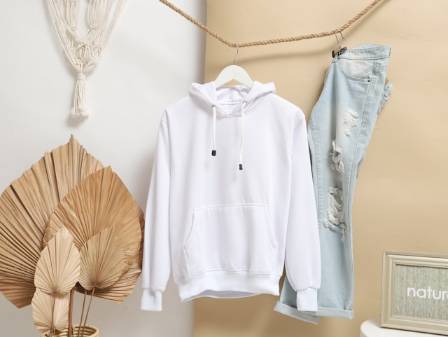
The perception of the hoodie has shifted dramatically in recent years. No longer a garment associated with a suspicious reputation or niche subcultures, the hooded sweatshirt has achieved universal acceptance. Today, it is a staple for all generations, finding its way into both casual wardrobes and professional settings where traditional dress codes have softened. Even high-ranking government officials have been seen utilizing the comfort of a hoodie during intensive work sessions. Global demand continues to surge as it evolves from a specialty item into a fundamental necessity.
However, the increased availability of hoodies does not guarantee high quality. Distinguishing an exceptional sweatshirt from a standard one requires an understanding of specific technical and ethical factors. As we approach the colder months, a well-chosen hoodie becomes the cornerstone of a functional winter wardrobe. To find the best option, one must evaluate the textile composition, the ethical footprint of the brand, the long-term value, and the enduring nature of the design.
Prioritizing Natural and Substantial Textiles
The foundation of any superior garment is the material from which it is constructed. When selecting a hoodie for winter, it is essential to prioritize natural fibers over synthetic alternatives. While synthetics have utility in specialized performance gear, they often lack breathability and can cause skin irritation when worn as a primary layer. Furthermore, natural materials offer a softer, more premium finish that ages better over time.
Cotton remains the gold standard for hoodies, providing the characteristic soft touch and cozy insulation required for chilly weather. Beyond the material type, the weight of the fabric is a critical indicator of quality. For winter durability, look for textiles with a weight of 300gsm (grams per square metre) or higher. A higher GSM indicates a thicker, more robust fabric that provides better warmth and is more likely to maintain its shape and integrity through multiple seasons of wear.

The Growing Importance of Ethical Manufacturing
Sustainability is no longer a fringe consideration; it is a primary driver in modern consumer choices. With the rise of "greenwashing," where brands use vague terms like "conscious" or "eco" without providing evidence, it is vital to look for verified certifications. Legitimate credentials, such as OEKO-TEX for textile safety or SA8000 for fair labor conditions, offer transparent proof that a garment was produced responsibly.
True sustainability is also intrinsically linked to longevity. A hoodie that is built to last reduces the frequency of replacement, thereby decreasing the environmental impact associated with waste. Some forward-thinking brands even offer recycling programs, allowing consumers to return worn-out items to be repurposed rather than discarded. Investing in certified, durable clothing is one of the most effective ways to support a more responsible fashion ecosystem.
Balancing Quality with Financial Accessibility
There is a common misconception that high-quality, ethically produced clothing must carry a luxury price tag. While quality manufacturing requires fair investment, sustainability should not be reserved exclusively for an elite market. Many contemporary brands are utilizing direct-to-consumer models and efficient technology to reduce overhead costs, passing those savings on to the customer.
When evaluating the cost of a hoodie, it is beneficial to shift the focus from the initial price point to the "cost per wear." A reasonably priced, well-made item that lasts for several years offers far better value than a cheaper, fast-fashion alternative that degrades after a single season. Choosing a fair price for a durable product is a practical approach to building a more sustainable and cost-effective wardrobe.
Selecting a Timeless and Versatile Aesthetic
Design plays a significant role in how long an item remains in your rotation. For winter, opting for classic, solid colors allows for effortless layering and ensures the piece remains stylish regardless of shifting trends. Neutral tones such as navy, black, charcoal, and stone are particularly effective for creating a cohesive look.
In terms of fit, slightly oversized silhouettes often provide superior comfort and better heat retention during the winter. Baggy styles remain a consistent fashion aesthetic that offers both practicality and ease of movement. By choosing a timeless design, you reduce the likelihood of the garment becoming obsolete, further supporting the principles of slow fashion. Ultimately, the best winter hoodie is one that combines physical comfort with ethical integrity and a style that endures.

पास की पत्तियाँ

सार्वजनिक परिवहन का उपयोग करके 10 सर्वश्रेष्ठ यात्राएं
सिंडी

Discover the Smallest Canid of the Desert World
Prescott Lily

Strawberry Cream Puffs: Flaky Perfection
Nolan Drake

NFL की सबसे कीमती टीमें 2025
अंजली

चार ऋतुएँ: प्रकृति के बदलते चक्रों की सुंदरता और आश्चर्य की सराहना
विनय

यू.एस. में 3 सबसे खूबसूरत हाइक
ग्रेसन हावर क्यूरिन