← होम स्पेस3 मि.
पत्ती
A Decade of Fascinating Insights Regarding Flowers
Prior to pausing to appreciate the fragrance of a bouquet, you might find it beneficial to understand a few details about them. For instance, were you aware that the tiniest bloom on the planet is merely 1 mm in width?
Y
Yosh
लेखक
झलक
नीचे पूरा पाठ फ़्लोट करता है।
शेल्फ़
स्टोरी लीफ़
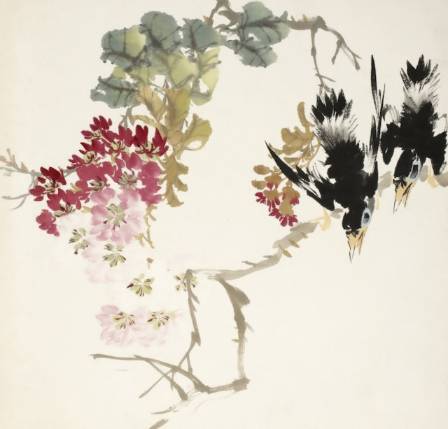
Prior to pausing to appreciate the fragrance of a bouquet, you might find it beneficial to understand a few details about them. For instance, were you aware that the tiniest bloom on the planet is merely 1 mm in width? Or that certain blossoms are so scarce they are valued higher than gold? Below are ten intriguing flower-related points intended to amaze and entertain you.
Compelling Floral Trivia
Before you can pause to take in the scent of a rose, there are several things you should know. For example, did you realize the world’s most minuscule blossom is only 0.1mm wide? Or that specific flowers are so rare they command prices higher than gold? Here are ten captivating details about flora that you might not have encountered previously.
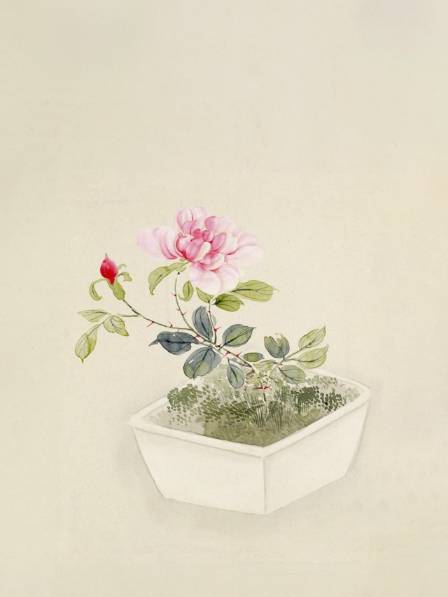
Ten Intriguing Insights Regarding Flowers
-
The most diminutive flower globally is known as watermeal, possessing a width of only 0.1mm.
-
The largest blossom on earth is the Rafflesia arnoldii, which is capable of reaching 3 feet in diameter.
-
The Juliet rose holds the title for the most costly flower, with individual stems selling for approximately $15,800.
-
The most ancient flower discovered by science is a 130-million-year-old fossilized Montsechia Vidalii.
-
Many blossoms are fit for human consumption! Popular examples of edible varieties include daylilies, violas, and nasturtiums.
-
For hundreds of years, flowers have served as organic colorants. Madder, for instance, creates a saturated red, whereas woad provides a striking blue shade.
-
The practice of assigning meaning to flowers began in antiquity. In ancient Greek culture, roses were linked to the love goddess Aphrodite.
-
During the Victorian age, floral arrangements functioned as a silent language. A red rose indicated "I love you," while white blooms represented innocence and spotlessness.
-
Flowering plants serve as a vital nutritional resource for creatures like hummingbirds, butterflies, and bees.
-
Blooms are also a primary provider of nectar for avian species. Certain flowers have evolved unique traits specifically to lure bird pollinators.
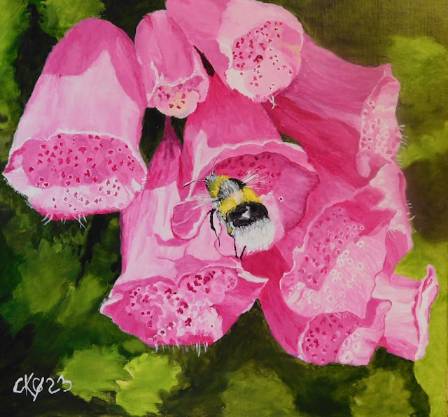
Unusual Floral Characteristics
-
A few flower species are predatory, capturing and consuming insects for nutrition.
-
Research suggests that flowers possess the ability to detect the acoustic vibrations of nearby bees.
-
Specific plants act as organic repellents. The pyrethrum daisy, for example, is a common ingredient in eco-friendly pest management.
-
Certain flowers are heat-producing (thermogenic), which helps them draw in pollinators.
-
Scientists have identified more than 300,000 distinct species of flowering plants across the globe!
-
It is observed that flowers produce a very subtle low-frequency hum that the human ear cannot detect.
-
Some flora exhibit rapid development. The bamboo orchid, the world's quickest-growing flower, can increase its height by 12 inches in just twenty-four hours.
-
Beyond their visual appeal, flowers are notable for their curative attributes. Aloe vera is widely utilized to heal skin injuries and burns.
-
Rituals and religious practices have incorporated flowers for millennia. In ancient Egypt, the lotus was a symbol connected to Ra, the sun deity.
-
Some plants exhibit movement in response to physical contact, a biological phenomenon referred to as thigmotropism.
-
Flowers are intricate and captivating organisms with an endless array of secrets to uncover. From the most microscopic varieties to those with exorbitant price tags, these botanical wonders never fail to impress. The next time you appreciate a rose, keep these ten fascinating facts in mind.
पास की पत्तियाँ

en
White Coffee Table Styles for a Crisp Living Room Aesthetic
Rosalie Quinn

hi
ऑटोमोबाइल से जुड़े रोचक तथ्य: कारों की दुनिया में एक गहन पड़ताल
रमेश माहेश्वरी

hi
अब तक के 13 सबसे अच्छे डोनट्स, रैंकिंग
यामिनी

hi
एक नदी की 10 भूमिकाएं: हमारे जलमार्ग से परे
मौहन
en
Twelve Intriguing Realities of the Pallas’s Cat
Noah Benjamin Hayes
hi
बंदरों के बारे में 14 रोचक तथ्य
अंजू