पत्ती
Proven Ways Matcha Tea Improves Your Health
Matcha is a type of green tea that has gained popularity for its potential health benefits. It is often associated with heart health, weight management, and overall wellness due to its rich antioxidant content. It is also very easy to include in everyday meals and drinks.
Vincent Delacroix
लेखक
झलक
नीचे पूरा पाठ फ़्लोट करता है।
शेल्फ़
स्टोरी लीफ़
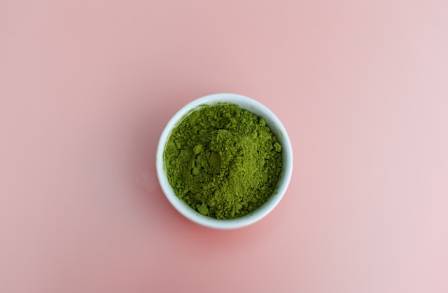
Matcha is a type of green tea that has gained popularity for its potential health benefits. It is often associated with heart health, weight management, and overall wellness due to its rich antioxidant content. It is also very easy to include in everyday meals and drinks.
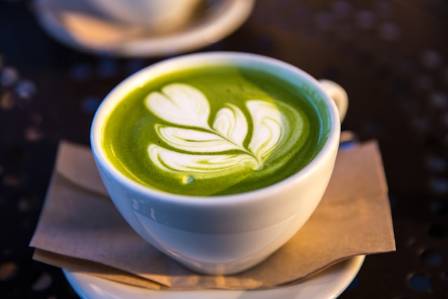
Matcha can be found in many forms such as lattes, shots, teas, and desserts, especially in cafés and health-focused stores.
How Matcha Is Made
Like regular green tea, matcha originates from the Camellia sinensis plant, but it is cultivated in a different way that changes its nutritional profile.
During growth, the tea plants are shaded from direct sunlight. This process increases chlorophyll levels, enhances amino acid production, and gives the leaves a deeper green color.
After harvesting, the stems and veins are removed, and the remaining leaves are ground into a fine powder. This powdered form is what we know as matcha.
Because the entire leaf is consumed, matcha contains more concentrated nutrients, including higher levels of caffeine and antioxidants compared to standard brewed green tea.
Nutritional Benefits and Key Compounds
Matcha is especially known for its antioxidant content, particularly catechins, which are plant compounds that help neutralize free radicals in the body.
By reducing oxidative stress, antioxidants may help protect cells from damage and lower the risk of chronic diseases.
Some studies suggest matcha may also support liver health, potentially reducing liver damage markers in certain conditions, although results are not fully consistent across all populations and more research is needed.
Possible Effects on Brain Function
Research indicates that compounds in matcha may support cognitive performance, including attention, memory, and reaction speed.
Some experiments have shown improved mental performance in individuals who consumed matcha compared to those who did not.
Matcha contains both caffeine and L-theanine. Caffeine increases alertness, while L-theanine helps promote calm focus and may reduce the jittery effects often associated with caffeine.
Potential Cancer-Related Benefits
Matcha contains epigallocatechin gallate (EGCG), a powerful catechin that has been studied for its possible anti-cancer properties.
Laboratory and animal research suggests these compounds may help slow or inhibit the growth of certain cancer cells. However, more human studies are required to confirm these effects.
Heart Health and Circulation Support
Green tea consumption has been linked in some studies to improved cardiovascular health and a lower risk of heart-related conditions.
Because matcha shares many of the same active compounds as green tea, it may offer similar benefits, such as supporting healthy blood pressure and overall heart function, though research is still ongoing.
Role in Weight Management
Green tea extracts are often associated with increased metabolism and fat oxidation, which may support weight loss when combined with a balanced diet and exercise.
Since matcha comes from the same plant, it contains similar bioactive compounds that may contribute to these effects.
How to Prepare Matcha Tea
Matcha can be prepared in many different ways depending on taste and texture preference.
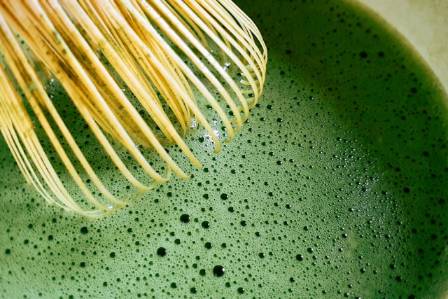
A traditional method involves sifting 1–2 teaspoons of matcha powder into a cup, adding a small amount of hot water, and whisking until smooth and frothy.
For a lighter drink, less powder and more water can be used. For a stronger version, more powder with less water creates a more concentrated flavor.
Creative Ways to Use Matcha
Matcha is very versatile and can be added to many recipes beyond tea.
It can be blended into lattes, mixed with milk-based drinks, added to smoothies, or incorporated into desserts like cookies and ice cream. It also pairs well with ingredients such as chocolate, citrus, berries, coconut, and honey, as well as savory flavors like sesame and mushrooms.
Safety and Considerations
Although matcha has many potential benefits, it should be consumed in moderation due to its caffeine content.
Excessive intake may cause side effects such as increased heart rate or digestive discomfort. In addition, some concerns exist about contaminants from soil, so choosing high-quality organic matcha is recommended.
Experts often suggest limiting intake to about 1–2 servings per day to balance benefits and safety.
Common Questions About Matcha
Matcha does contain caffeine because it is made from whole tea leaves.
Some people may experience digestive stimulation after drinking it due to caffeine content.
Its flavor is often described as earthy, slightly sweet, grassy, and mildly bitter with umami notes.
Matcha pairs well with foods such as chocolate, fruit, honey, coconut, and desserts, as well as ingredients like black sesame and tahini.
Final Overview
Matcha is a concentrated form of green tea that provides a wide range of plant compounds and antioxidants.
It may support metabolism, cognitive performance, and heart health, though further research is still needed in many areas.
It is easy to prepare and can be enjoyed as a drink or incorporated into many different recipes, making it a flexible addition to a balanced diet.
पास की पत्तियाँ

लोगों को फुटबॉल से प्यार क्यों है
काव्य

Curious Creatures: The Secret Life of Alpacas
Aria Wren

Simple Street Wall Painting Ideas
Nora Whitman

3 Frequented Cities in the United States
Makayla

America's Spectacular Mountain Landscapes: 8 Must-See Peaks
Catherine Xu

क्वार्ट्ज 10 सबसे प्रतिष्ठित क्लासिक कारें जो अभी भी मूल्यवान हैं
पार्वती