← होम स्पेस2 मि.
पत्ती
Curious Creatures: The Secret Life of Alpacas
Thinking about adding alpacas to your farm? These quirky, gentle camelids can bring charm and challenge in equal measure. Let’s explore some lesser-known truths about these fascinating animals. Not Your Guard Animal Though some believe alpacas will protect livestock from predators, they’re not natural defenders. As prey creatures, their primary survival tactic is flight, not fight. Their keen eyesight helps them spot danger from afar, but they’re more likely to alert the herd than confront a threat. Interestingly, alpacas crossed with llamas may offer a touch more bravery due to their hybrid nature.
A
Aria Wren
लेखक
झलक
नीचे पूरा पाठ फ़्लोट करता है।
शेल्फ़
स्टोरी लीफ़
Thinking about adding alpacas to your farm? These quirky, gentle camelids can bring charm and challenge in equal measure. Let’s explore some lesser-known truths about these fascinating animals.
Not Your Guard Animal
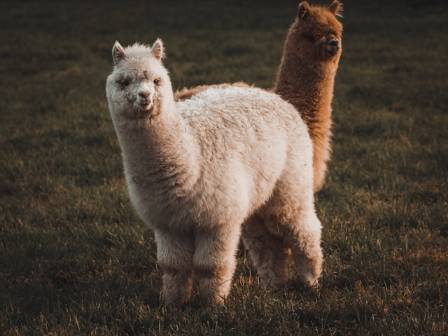
Though some believe alpacas will protect livestock from predators, they’re not natural defenders. As prey creatures, their primary survival tactic is flight, not fight. Their keen eyesight helps them spot danger from afar, but they’re more likely to alert the herd than confront a threat. Interestingly, alpacas crossed with llamas may offer a touch more bravery due to their hybrid nature.
A Long Wait for New Life
An alpaca pregnancy lasts nearly a year—about 11.5 months. During this time, the female carries her young (known as a cria) with care. First-time owners are often surprised when a baby appears nearly a year after the alpacas arrive! With attentive care, good nutrition, and regular veterinary checks, both mother and baby usually do well.
Therapy Animals with Boundaries
Alpacas are gaining popularity in therapeutic settings, but it’s worth remembering they are not naturally inclined toward human bonding. Videos of affectionate alpacas often feature animals hand-raised without their own kind. Most alpacas prefer their own herd and need time, consistency, and trust-building to become comfortable around people.
Respectful to Fences and Trees
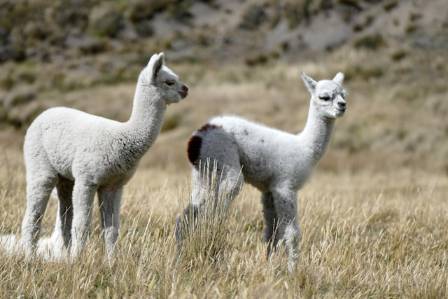
Unlike goats or donkeys, alpacas rarely damage their enclosures. Rather than leaping over barriers, they look for gaps to slip through. While they’re gentle on fences, they do nibble trees to the height their lips can reach—expect some creative pruning!
Efficient Plant Eaters
Strict vegetarians, alpacas primarily consume grass, hay, and mountain herbs. Their unique three-chambered stomach allows for efficient digestion, pulling maximum nutrition from every bite. When kept on pasture, they may require mineral supplements and nutrient-rich pellets for a balanced diet.
One Bathroom Fits All
Cleanliness is a surprise strength of alpacas. They use communal dung areas, often designated by the dominant alpaca, to minimize parasites. This herd-wide agreement keeps their pastures cleaner and healthier.
The More, the Merrier
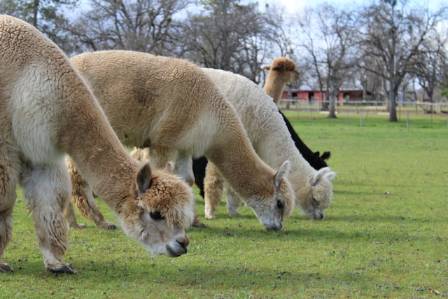
Alpacas are highly social and don’t fare well alone. A group of three or more is ideal to keep stress low and behavior balanced. They communicate through humming, tail movements, and subtle body language—making their interactions a joy to observe.
Regenerative Farming Allies
These light-footed grazers are kind to landscapes. Their padded feet avoid compacting the soil, and their browsing habits help maintain healthy pastures. For steep or sensitive terrain, alpacas offer natural vegetation control without disturbing ecosystems.
पास की पत्तियाँ

en
The 8 Best Microphones for Live Vocals: Your Go-To Guide
Camila

en
How to Paint Succulents
Caleb Nathaniel Ross

hi
परफेक्ट पॉपकॉर्न
अमित

en
Greek Yogurt Bowls 5 Ways
Celeste Ravenswood

en
Foundational Fashion: A Beginner’s Guide to Developing Personal Style
Callum Prescott

hi
आर्क डी ट्रायम्फ में घूमना: एक यादगार विज़िट के लिए प्रैक्टिकल टिप्स
प्रीति