पत्ती
Explore the Retro-Futuristic Art & Design Trend
Retrofuturism has existed nearly as long as science fiction itself. From bulky mechanical robots and streamlined flying automobiles to steam-powered time machines and analog visions of virtual reality, the style reflects how previous generations imagined the future.
Phoenix Vale
लेखक
झलक
नीचे पूरा पाठ फ़्लोट करता है।
शेल्फ़
स्टोरी लीफ़
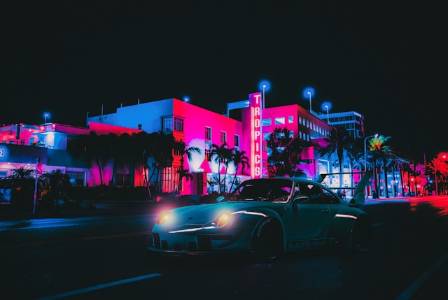
Retrofuturism has existed nearly as long as science fiction itself. From bulky mechanical robots and streamlined flying automobiles to steam-powered time machines and analog visions of virtual reality, the style reflects how previous generations imagined the future.
Whether expressed through literature, cinema, graphic design, or interior decoration, retrofuturism can present either hopeful or cautionary visions. Some works portray advanced technology as the key to a better world, while others depict a future where innovation contributes to alienation, social decline, or loss of humanity.
This guide explores the origins of retrofuturism, its defining visual characteristics, major subgenres, and practical advice for creating retrofuturistic artwork and design projects.
Understanding Retrofuturism
Retrofuturism is an artistic and design movement centered on representations of the future as envisioned in earlier historical periods. It combines nostalgia for the past with speculative ideas about tomorrow.
The term itself became popular during the 1980s, initially appearing in journalism to describe certain design trends and later being associated with films such as Terry Gilliam’s Brazil. However, the artistic concept predates the term by decades.
Many science fiction magazines, novels, and comics published between the 1930s and 1960s already embodied retrofuturistic ideas. Works like Captain Future and Space Man drew inspiration from pioneering authors such as Jules Verne, blending futuristic concepts with older visual traditions.
A Style Defined by Its References
Retrofuturism does not follow a single visual formula. Its appearance depends largely on which historical period inspires the creator.
For example, steampunk draws heavily from nineteenth-century industrial-age science fiction, including works by H. G. Wells and Mary Shelley. Cyberpunk, by contrast, is rooted in late twentieth-century visions of technology and society, inspired by authors such as Philip K. Dick and films like Blade Runner.
Optimism and Anxiety in Futuristic Visions
Retrofuturistic works often reflect society’s changing attitudes toward technological progress.
When groundbreaking innovations first emerge—whether steam engines, personal computers, space travel, or genetic engineering—they tend to inspire optimistic predictions. Artists imagine technology solving humanity’s greatest challenges and ushering in prosperity.
As time passes, however, enthusiasm often gives way to skepticism. Technology becomes associated with surveillance, environmental destruction, social isolation, or conflict.
A useful comparison can be found between Foundation and The Martian Chronicles. Both explore humanity’s expansion into space, yet one presents a largely hopeful future while the other adopts a more critical perspective.
Popular retrofuturist subgenres include:
Steampunk
Dieselpunk
Atompunk
Biopunk
Cyberpunk
Raygun Gothic
Each interprets the future through the visual language of a different historical era.
Common Characteristics of Retrofuturist Design
Although retrofuturism encompasses a wide range of styles, many works share several recognizable traits:
Visual references to earlier historical periods
A strong sense of nostalgia
Fascination with science, invention, and engineering
Bold predictions about the future
Rounded, geometric typography
Muted or aged backgrounds paired with vivid accent colors
Different Eras, Different Futures
1960s-inspired retrofuturism frequently features optimistic themes such as space exploration, flying vehicles, and automated homes. These designs often use bright palettes, curved architecture, and expansive windows filled with sunlight.
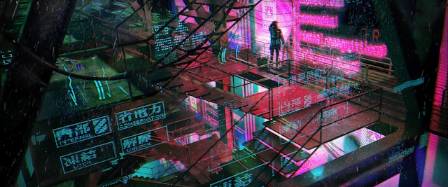
Cyberpunk-inspired works from the 1980s and 1990s take a very different approach. Neon lights, crowded megacities, environmental decay, and technological dependence dominate the imagery. Themes of loneliness, corporate control, and social fragmentation are common.
Why Retrofuturism Remains Popular
Retrofuturism continues to attract audiences because it serves several cultural and creative purposes.
Reflecting on Technological Progress
The genre encourages us to consider whether technological developments have truly delivered the future earlier generations expected. Have modern innovations created a better quality of life, or have they introduced new challenges?
Evoking Nostalgia
Retrofuturism reconnects viewers with familiar imagery from childhood, previous decades, or even earlier generations. This nostalgic appeal is particularly powerful in branding and advertising, where emotional connections often influence consumer behavior.
Providing Creative Freedom
For artists and designers, retrofuturism offers a balance between imagination and familiarity. It allows creators to speculate about alternative futures while drawing from established historical aesthetics they already understand and appreciate.
In many ways, retrofuturism blends:
The visual language of the past
Contemporary concerns
Imagined futures
This combination creates rich storytelling opportunities across art, entertainment, architecture, and marketing.
Creating Retrofuturistic Designs
One of the strengths of retrofuturism is its flexibility. Whether your vision is hopeful or dystopian, the style offers countless possibilities for exploring contemporary issues through imagined futures.
Step 1: Study Existing Examples
Begin by exploring retrofuturist films, posters, book covers, magazines, graphic novels, and illustrations.
Look beyond the retrofuturist works themselves and research the historical periods that inspired them. Understanding the original cultural context will strengthen your visual direction.
Step 2: Choose Your Historical Reference Point
Decide which era forms the foundation of your project.
Different decades inspire different futures:
1950s visions often revolve around atomic-age optimism and anxiety.
1960s concepts focus on space-age exploration and domestic innovation.
1980s interpretations emphasize technology, computing, and cybernetic futures.
Early 2000s-inspired works frequently examine digital life and environmental concerns.
Step 3: Build a Mood Board
Create a collection of reference images, colors, typography, architecture, technology, and visual motifs that support your concept.
A strong mood board helps establish a consistent atmosphere and provides direction throughout the creative process.
For static illustrations, this may be enough to begin production. Larger projects—such as branding systems, apps, or animated works—typically require additional concept development.
Step 4: Develop a Story
No matter which retrofuturist era you choose, effective storytelling remains essential.
A compelling narrative typically requires:
A central character
A meaningful conflict
Clear stakes
Emotional engagement
Successful retrofuturist campaigns often combine nostalgia with futuristic speculation, allowing audiences to connect emotionally while imagining alternative possibilities.
For inspiration, explore influential retrofuturist films such as:
Beyond the Black Rainbow
Casshern
Sleeper
Architectural projects such as Habitat 67 and Walden 7 also demonstrate how retrofuturist ideas can be translated into physical spaces.
Final Thoughts
Retrofuturism offers artists, designers, filmmakers, and writers a fascinating framework for imagining the future through the perspective of the past.
What began in science fiction literature, cinema, and graphic art has expanded into fashion, architecture, product design, and advertising. By combining nostalgia with speculation, retrofuturism invites us to ask a timeless question:
How did people once imagine tomorrow—and how does that vision compare with the world we live in today?
Whether your outlook is optimistic or dystopian, retrofuturism provides endless opportunities to explore the relationship between history, technology, and human imagination.
पास की पत्तियाँ

How Many Burgers Are Too Many? Health Experts Weigh In
Derek Langford

19 ड्रीम विंडो दृश्य
पग

दुनिया के 9 सबसे बेहतरीन सूर्यास्त
भुवन

दुनिया के शीर्ष 10 आड़ू
शक्ति

Faye, 5, battles snow and ice to reach the top of Ben Nevis
Freya
The Ultimate Supercar Showcase: Icons of Speed and Engineering
Benjamin Cole Kensington