पत्ती
How Modern Sleep Pods Are Revolutionizing Personal Rest
A sleep pod represents a specialized enclosed structure designed for brief rest. People also call these units nap capsules or sleeping chairs. Users step inside to enjoy private relaxation during busy days. Embedded technology and calming ambient features often assist these short breaks. These compact installations now appear in corporate offices, medical centers, academic facilities, and busy transit hubs. Extensive research highlights many physiological benefits from short twenty-minute naps. Brief rests diminish visible fatigue quickly. They elevate daily energy levels and sharpen mental focus. Napping enhances overall worker productivity and improves mood balance. Restful breaks boost learning capacities and lower mental stress. Regular daytime rest also lowers long-term cardiovascular risks significantly.
Emma Caldwell
लेखक
झलक
नीचे पूरा पाठ फ़्लोट करता है।
शेल्फ़
स्टोरी लीफ़
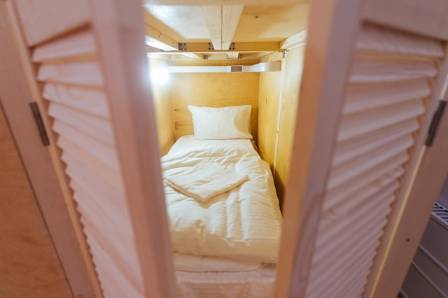
A sleep pod represents a specialized enclosed structure designed for brief rest. People also call these units nap capsules or sleeping chairs. Users step inside to enjoy private relaxation during busy days. Embedded technology and calming ambient features often assist these short breaks. These compact installations now appear in corporate offices, medical centers, academic facilities, and busy transit hubs. Extensive research highlights many physiological benefits from short twenty-minute naps. Brief rests diminish visible fatigue quickly. They elevate daily energy levels and sharpen mental focus. Napping enhances overall worker productivity and improves mood balance. Restful breaks boost learning capacities and lower mental stress. Regular daytime rest also lowers long-term cardiovascular risks significantly.
The Fascinating Origins of Personal Rest Capsules
Technological growth in rest pods directly follows expanding public knowledge about sleep health. Proper rest dramatically improves cognitive performance and personal output. Architect Kisho Kurokawa crafted the foundational sleep pod prototype in nineteen seventy-nine. His initial design introduced compact resting capsules to the hospitality market in Japan. That early concept sparked a global movement toward automated personal resting spaces.
How Sleep Pods Are Transforming Modern Workplace Culture
Modern manufacturers construct resting equipment specifically for busy professionals and daily commuters. Expert sleep researchers advocate structured daytime naps to rejuvenate exhausted workers. Dr. James B. Mass created the popular term power nap to describe brief rest periods. He championed daytime sleep as a vital tool to transform western office habits. This approach aligns with traditional global practices like the Spanish siesta. The Japanese practice of inemuri also inspires daytime rest. Inemuri refers to sleeping briefly while at work. Japanese society often views on-the-job resting as proof of extreme dedication. Prominent wellness advocates actively push for cultural shifts regarding workplace exhaustion. Arianna Huffington frequently promotes the normalization of rest in high-pressure jobs. She argues that sleep deprivation should never represent professional strength. Changing how society discusses fatigue remains essential for healthy work environments. Renowned neuroscientists like Matthew Walker emphasize that humanity faces a global sleep loss crisis. Walker publicly supports installing rest capsules in corporate settings. He notes that these physical installations signal strong leadership recognition of sleep quality. Medical experts confirm that twenty-minute afternoon naps enhance alertness and mood significantly. Corporate adoption of resting equipment shows that scientific research is reshaping office standards. Critics still question some corporate motives behind rest amenities. Some workplace analysts argue that trendy sleeping equipment cannot replace underlying managerial support.
Sci-Fi Visions of Futuristic Sleep Chambers
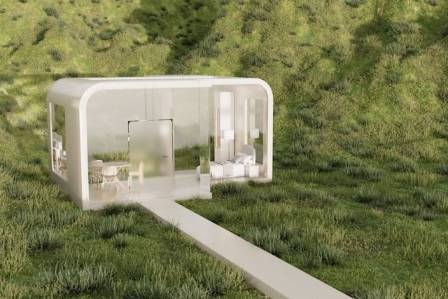
Resting capsules appear frequently throughout famous science fiction books, films, and television shows. Sci-fi storylines routinely equip these chambers with imaginary futuristic features. Cinematic cryosleep pods keep human bodies frozen during multi-year space journeys. Classic space films feature compact capsule designs similar to modern real-world resting pods. Unconscious space travelers stay safely preserved inside sealed chambers across extended interstellar flights. Iconic sci-fi series feature grouped resting pods with transparent protective shields. Occupants remain dormant until automated systems reactivate them for active duty. Other speculative shows feature advanced pods that compress hours of deep sleep into tiny two-minute resting bursts. These fictional chambers alter human brain activity to maximize crew performance dramatically.
Global Locations Embracing Modern Sleep Pods
Organizations install modern sleeping chambers across numerous major public and private facilities worldwide. International airports offer rest pods so travelers can recharge between connecting flights. Travelers find these private rest spaces in major international transit centers across North America, Europe, and Asia. Leading global tech firms and multinational corporations provide dedicated resting spaces for employees. Strategic corporate nap rooms allow workers to meditate or sleep during tough shifts. Major universities place rest pods inside campus libraries and active student facilities. Professional sports teams deploy dedicated resting chambers to help elite athletes recover between intense training sessions. Public health agencies also construct sleeping spaces in public hospitals so healthcare workers can recharge safely.

पास की पत्तियाँ

Italy’s Most Captivating Castles: A Journey Through Time and Beauty
Seth
दुनिया भर के 7 सबसे अच्छे फिटनेस इवेंट्स
उत्कर्ष

Ultimate Guide to the Stunning Sky High Adventures in Lujiazui Shanghai
Alistair Wrenford
The 8 Best Microphones for Live Vocals: Your Go-To Guide
Camila

How to Paint Succulents
Caleb Nathaniel Ross

परफेक्ट पॉपकॉर्न
अमित