पत्ती
Soar with Ease: A Beginners Guide to Paragliding
Have you ever dreamed of gliding effortlessly above mountains, valleys, and coastlines while enjoying breathtaking views from the sky? Paragliding offers exactly that—an exciting adventure that combines freedom, exploration, and the thrill of flight.
Seren Vale
लेखक
झलक
नीचे पूरा पाठ फ़्लोट करता है।
शेल्फ़
स्टोरी लीफ़

Have you ever dreamed of gliding effortlessly above mountains, valleys, and coastlines while enjoying breathtaking views from the sky? Paragliding offers exactly that—an exciting adventure that combines freedom, exploration, and the thrill of flight.
For newcomers, however, learning to paraglide involves much more than simply running off a hill and taking off. Understanding equipment, training methods, safety procedures, weather conditions, and flight techniques is essential for a safe and enjoyable experience.
This beginner-friendly guide covers everything you need to know before your first flight. From choosing the right gear to mastering takeoffs and landings, you'll gain the knowledge needed to begin your paragliding journey with confidence.
Understanding the Fundamentals of Paragliding
Before launching into the air, it's important to understand the core principles that make paragliding possible.
What Is Paragliding?
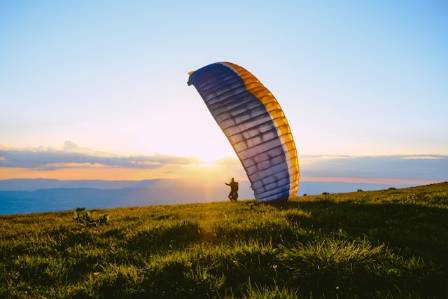
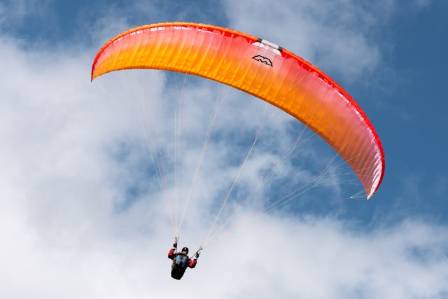
Paragliding is an aerial sport in which pilots fly using a lightweight fabric wing connected to a harness. Unlike traditional aircraft, paragliders rely on natural air currents and wind conditions to stay airborne.
The sport originated in Europe during the 1970s and has since grown into a popular recreational activity worldwide. Modern paragliders are designed to provide stability, control, and efficient flight while remaining portable and easy to transport.
The basic idea behind paragliding is simple: the wing fills with air, creating lift that allows the pilot to glide through the sky. By using wind, thermals, and other atmospheric conditions, pilots can remain airborne for extended periods and travel considerable distances.
Beyond the excitement, paragliding also encourages a deeper appreciation for nature and the environment. With proper instruction and preparation, people from various backgrounds can enjoy the unique sensation of free flight.
Essential Equipment and Safety Gear
Proper equipment plays a major role in both performance and safety.
Harness
The harness serves as your seat during flight. It provides support, comfort, and protection while connecting you securely to the wing.
Choosing a harness that fits correctly and meets industry safety standards is extremely important.
Paraglider Wing
The wing is the primary flying component. Constructed from lightweight fabric, it inflates with air and generates lift.
Different wing designs are available for beginners, intermediate pilots, and advanced flyers. New pilots should always start with equipment designed specifically for training and safety.
Helmet
A quality helmet is mandatory for protecting your head during takeoff, landing, or unexpected turbulence.
Additional Protective Equipment
Other useful safety items include:
Gloves
Knee protection
Elbow protection
Reserve parachute systems
Automatic safety devices where applicable
Always inspect your equipment before every flight and ensure it remains in excellent condition.
Beginning Your Paragliding Training
Learning from qualified professionals is the safest and most effective way to enter the sport.
Selecting a Paragliding School or Instructor
Not all training programs are equal. Look for instructors and schools certified by recognized aviation and paragliding organizations.
When evaluating training options, consider:
Instructor qualifications
Safety record
Student-to-instructor ratio
Training facilities
Teaching methods
A smaller class size often provides more personalized instruction and faster progress.
Most courses combine classroom lessons with practical flying sessions. You'll first learn theoretical topics such as weather, aerodynamics, safety procedures, and equipment use before progressing to actual flights.
Learning the Core Skills
Every beginner must master several fundamental techniques.
Takeoff Procedures
Launching safely requires:
Proper wing setup
Correct body position
Wind assessment
Smooth inflation of the wing
Landing Techniques
Landing is just as important as takeoff. Students learn how to approach landing zones, control speed, and perform smooth touchdowns.
Flight Navigation
Pilots must understand how to:
Read wind direction
Monitor altitude
Maintain control
Navigate safely through airspace
Emergency Response
Knowing how to react during unexpected situations is critical. Training programs cover emergency procedures that prepare pilots to respond calmly and effectively.
Pre-Flight Preparation
Successful flights begin long before launch.
Physical Fitness for Paragliding
Although paragliding is not an extreme physical sport, good fitness improves performance and safety.
Cardiovascular Conditioning
Activities such as:
Running
Cycling
Swimming
help improve endurance and energy levels during long flying days.
Strength Training
Core strength is particularly valuable because it helps maintain stability and control while airborne.
Flexibility Exercises
Regular stretching improves mobility and may reduce the likelihood of injury during launches and landings.
Proper Nutrition
A balanced diet rich in healthy carbohydrates, proteins, and fats helps maintain focus and energy throughout training and flight activities.
Ideally, pilots should establish a consistent fitness routine several weeks before beginning intensive training.
Equipment Inspection and Weather Assessment
Every flight should begin with a thorough safety check.
Inspect:
Wing fabric
Suspension lines
Harness straps
Helmet
Reserve parachute
Any signs of damage should be addressed before flying.
Weather evaluation is equally important.
Review:
Wind speed
Wind direction
Temperature
Cloud formations
Air pressure trends
If conditions appear questionable, delaying the flight is often the safest decision.
Flight Techniques and Safety Practices
Once airborne, proper control and awareness become essential.
Navigation and Control
Successful flying requires understanding how the atmosphere affects your wing.
Reading Wind Conditions
Wind influences nearly every aspect of flight. Pilots must constantly monitor changes and adjust accordingly.
Speed Management
Maintaining appropriate airspeed helps ensure stability and prevents dangerous situations such as stalls.
Turning and Descending
Pilots steer by applying gentle control inputs. Controlled turns and gradual descents allow for safe and efficient navigation.
Like any skill, these techniques improve through consistent practice and instruction.
Emergency Procedures and Basic First Aid
Unexpected situations can occur despite careful preparation.
Examples include:
Sudden turbulence
Wing collapses
Rapid weather changes
Minor injuries
Remaining calm is the first priority.
Pilots should understand:
Emergency landing procedures
Reserve parachute deployment
Basic first aid techniques
Communication methods for obtaining assistance
Carrying essential emergency supplies can also improve preparedness.
Advanced Paragliding Skills
As experience grows, pilots often pursue more advanced flying techniques.
Cross-Country Flying
Cross-country flights involve traveling significant distances using natural lift and favorable weather conditions.
Successful route planning requires consideration of:
Terrain
Wind patterns
Landing options
Weather forecasts
Navigation tools and GPS devices are commonly used to assist with longer flights.
Breaking large routes into smaller segments helps improve safety and efficiency.
Thermal Flying
Thermals are rising columns of warm air that allow pilots to gain altitude without engine power.
Learning to identify and utilize thermals is a major milestone in a pilot's development.
Indicators of thermal activity include:
Cumulus clouds
Birds circling upward
Rising air sensations
By centering within a thermal, pilots can climb thousands of feet and significantly extend flight duration.
Understanding weather patterns is essential when working with thermals, as changing conditions can quickly affect flight safety.
Equipment Maintenance and Storage
Proper care helps extend equipment life and maintain safety.
Cleaning and Storage
Follow manufacturer recommendations when cleaning equipment.
Generally:
Use mild cleaning products
Avoid harsh chemicals
Keep equipment dry
Store gear away from direct sunlight
Use protective storage bags
Proper storage prevents unnecessary wear and damage.
Repairs and Replacement
Inspect equipment regularly for:
Tears
Frayed lines
Worn straps
Structural damage
Address small problems immediately before they become serious safety concerns.
Regular Inspections and Certification Updates
Professional inspections should be scheduled periodically according to manufacturer guidelines.
Pilots should also keep certifications current by completing required training updates and flight reviews.
These evaluations help ensure continued competence and safe operating practices.
Final Thoughts
Paragliding offers a remarkable combination of adventure, freedom, and personal achievement. While the sport may appear intimidating at first, proper training, quality equipment, and a commitment to safety make it accessible to many aspiring pilots.
By learning the fundamentals, practicing consistently, maintaining your equipment, and respecting weather conditions, you'll build the skills needed to enjoy safe and memorable flights.
Remember that becoming a capable paraglider takes time. Focus on steady improvement, seek guidance from experienced instructors, and enjoy every step of the learning process.
Frequently Asked Questions
Can I learn paragliding without previous aviation experience?
Yes. Most students begin with no prior flying background. Professional instruction will teach all the necessary skills from the ground up.
How long does it take to fly independently?
Progress varies between individuals, but many students require dozens of training flights and several weeks or months of practice before becoming comfortable flying on their own.
What should I do if I encounter turbulence?
Stay calm, maintain control inputs, and follow the procedures learned during training. Proper preparation helps pilots handle turbulent conditions safely.
Is paragliding possible in all weather conditions?
No. Safe flying depends heavily on weather. Strong winds, storms, poor visibility, and unstable conditions can make flying dangerous and should be avoided.
How often should equipment be maintained?
Basic inspections should be performed before every flight. More detailed professional inspections should follow manufacturer recommendations and local regulations.
With dedication, patience, and proper training, paragliding can become one of the most rewarding outdoor adventures you'll ever experience.
पास की पत्तियाँ

ग्रेट ब्लू हेरॉन (आर्डिया हीरोडियास) — खास बातें
लुकास हॉल

Voyaging through the Spectrum: Decoding Ocean Colors and Marvels
Harper Lily

लोगों को फुटबॉल से प्यार क्यों है
काव्य

Proven Ways Matcha Tea Improves Your Health
Vincent Delacroix

10 fascinating facts about geese
William Carter

आहार विशेषज्ञों के अनुसार 3 सर्वश्रेष्ठ एंटीऑक्सीडेंट से भरपूर चाय।
आस्था