Chinese cuisine, with its long history, unique characteristics, diverse styles, and exquisite cooking techniques, is an indispensable part of Chinese culture. Traditional Chinese dishes are renowned for their vibrant colors, rich aromas, balanced tastes, profound meanings, and elegant presentations. As a vast country, China’s culinary landscape varies greatly by region—shaped by climate, history, local ingredients, and dining customs—giving birth to the famous “Eight Great Cuisines”: Sichuan, Hunan, Shandong, Zhejiang, Fujian, Anhui, Cantonese, and Jiangsu. Each cuisine boasts iconic dishes that have won the hearts of food lovers worldwide. Below are the 15 most popular Chinese dishes, each a delicious window into China’s culinary heritage.
1. Peking Roasted Duck
Regarded as one of China’s national dishes and “the first dish to taste in China,” Peking Roasted Duck is a world-famous delicacy from Beijing. Its claim to fame lies in its thin, crispy skin—golden and shatteringly crisp, yet juicy underneath. Sliced tableside, the duck is traditionally wrapped in delicate pancakes with sweet bean sauce, shredded scallions, and cucumber strips, or dipped in soy sauce with mashed garlic for a savory twist. With a history as a medieval royal dish, it became a “diplomatic national dish” in the 1970s when Premier Zhou Enlai used it to receive foreign guests. To this day, it is highly praised by heads of state, officials, and tourists alike, making it a must-try when visiting Beijing.
2. Kung Pao Chicken
A signature of Sichuan cuisine, Kung Pao Chicken is beloved by both Chinese and foreign diners for its bold, balanced flavors. The dish features tender diced chicken, fiery dried chilies, crisp cucumber, and crunchy fried peanuts (or cashews), tossed in a savory-sweet sauce with a hint of numbing Sichuan peppercorn. Notably, Western Chinese takeaways have adapted it into a “Western-style” version—coating the chicken in cornstarch, adding sweet and sour sauce, and extra vegetables—though the original Sichuan version remains a favorite for its authentic spicy kick and layered taste.
3. Sweet and Sour Pork
With its bright orange-red glaze and irresistible sweet-sour flavor, Sweet and Sour Pork is a staple in Chinese restaurants worldwide. Originally made with pork tenderloin, the dish has evolved to cater to diverse tastes—now featuring substitutions like chicken, beef, or pork ribs, all coated in a glossy sauce that strikes the perfect balance between tangy and sweet. The crispy exterior and tender interior make it a hit with both children and adults, embodying the Chinese culinary philosophy of “harmony of flavors.”
4. Hot Pot
More than a dish, Hot Pot is a social experience—and one of China’s most beloved culinary traditions, especially popular in Sichuan and Chongqing. Diners gather around a table with a simmering pot of broth (spicy Sichuan chili broth, nourishing herbal broth, or clear tomato broth, to name a few) placed on a hob. Surrounding the pot are an array of ingredients: thin slices of meat (beef, lamb, pork), seafood, vegetables, tofu, and noodles—all cooked to order in the broth. The key to a great hot pot lies in its base: rich, flavorful broth that infuses every ingredient with depth. Once enjoyed primarily in winter, hot pot is now a year-round favorite, perfect for bonding with friends and family over lively conversation and shared bites.
5. Dim Sum
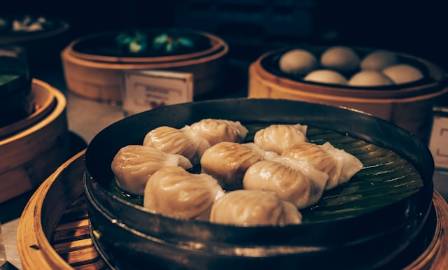
A cornerstone of Cantonese cuisine, Dim Sum refers to a vast array of small, delicate dishes—from dumplings and rolls to cakes and desserts—served alongside tea. Originating in Guangzhou, dim sum is traditionally enjoyed during “yum cha” (tea time) for breakfast or lunch, making it a beloved social ritual. With over 1,000 varieties, highlights include har gow (shrimp dumplings), siu mai (pork and shrimp dumplings), char siu bao (barbecued pork buns), and egg tarts. Dim sum is not just food; it’s a way to connect, with families and friends spending hours savoring each bite and chatting over pots of oolong or jasmine tea.
6. Dumplings
Dumplings are a symbol of Chinese tradition, widely popular across the country—especially in North China. Made by wrapping minced meat (pork, chicken, beef) and/or chopped vegetables (cabbage, chives, mushrooms) in thin dough skins, they can be boiled, steamed, or pan-fried. Beyond their delicious taste, dumplings hold deep cultural significance: their shape resembles ancient Chinese silver ingots, so eating them on Chinese New Year’s Eve is believed to bring prosperity in the coming year. Making dumplings is a communal activity, with families gathering in busy kitchens to fold dumplings together, turning food preparation into a cherished bonding moment.
7. Ma Po Tofu
A legendary Sichuan dish with over 100 years of history, Ma Po Tofu (literally “Pockmarked Granny Tofu”) is a spicy, numbing delight. It features soft, silken tofu and minced pork (or beef) cooked in a bold sauce made from fermented black beans, chili paste (doubanjiang), and Sichuan peppercorn. The dish was invented by a pockmarked grandmother surnamed Chen in Chengdu, Sichuan—her spicy, fragrant creation quickly gained fame and even became popular in Japan. Ma Po Tofu exemplifies Sichuan cuisine’s “numbing-spicy” (mala) flavor profile, with a silky texture and explosive taste that lingers on the palate.
8. Char Siu
Meaning “fork-roasted” in Cantonese, Char Siu is a classic Cantonese dish of barbecued pork. Marinated in a sweet-savory sauce (soy sauce, honey, five-spice powder, and rice wine), the pork is roasted until caramelized and tender, with a glossy, reddish glaze. It is enjoyed in countless ways: served over rice, tossed with noodles, or as a filling in steamed buns (char siu bao). Char Siu’s juicy texture and sweet-smoky flavor make it a favorite in Cantonese cuisine, beloved for its simplicity and depth of taste.
9. Chow Mein
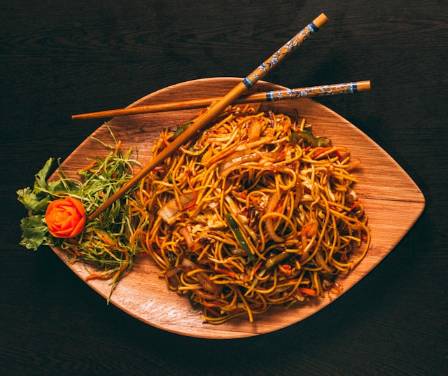
Chow Mein, the Cantonese pronunciation of “stir-fried noodles,” is a versatile and popular dish across China. It consists of cooked noodles (usually egg noodles or wheat noodles) stir-fried with meat (chicken, beef, shrimp, or pork), onions, celery, and a savory sauce. The noodles are first boiled, cooled, then stir-fried to achieve a chewy texture with a slight crispness. Legend has it that Chow Mein was invented by a woman named Shan Gu in Jiangsu Province, who created it for workers building a dam—needing a dish that would keep well in hot weather, be easy to reheat, and satisfy hungry laborers. Her invention turned stir-fried noodles into a beloved staple worldwide.
10. Fried Rice
Fried rice is one of China’s most ubiquitous and beloved dishes—simple, comforting, and infinitely adaptable. Made with leftover cooked rice stir-fried with eggs, vegetables, seafood, or meat, it’s a quick and delicious meal that minimizes waste. The most famous variety is Yangzhou Fried Rice, which includes shrimp, eggs, barbecued pork (char siu), and peas, all tossed in a light soy sauce. Legend links fried rice to Li Hongzhang, a late Qing Dynasty diplomat, who ordered his chef to create a dish that would appeal to both Chinese and foreign guests—fried rice was the result, winning praise from all who tasted it. Its versatility and deliciousness have made it a global favorite.
11. Twice-Cooked Pork Slices
A iconic Sichuan pork dish, Twice-Cooked Pork (literally “returned-to-the-pot meat”) is celebrated for its rich, savory flavor and tender texture. The name comes from its cooking process: pork belly is first boiled until tender, then sliced and stir-fried again with broad bean paste (doubanjiang), fermented black soybeans (douchi), garlic, ginger, and leeks. Legend attributes its creation to the Song Dynasty poet Su Dongpo (Su Shi), who once forgot he was boiling pork and returned to find it incredibly tender. He stir-fried it with spices, impressing his friends—and thus, a classic dish was born. Twice-Cooked Pork’s bold, umami-rich taste embodies Sichuan cuisine’s love of layered flavors.
12. Sichuan Poached Pork Slices
Another Sichuan classic, Poached Pork Slices is a spicy, aromatic dish that showcases the cuisine’s “numbing-spicy” (mala) profile. Thin slices of pork are coated in egg white and starch to keep them tender, then poached in a fiery broth made with chili oil, Sichuan peppercorn, and fermented beans. The result is juicy, flavorful meat swimming in a rich, spicy broth—each bite bursting with fresh, fragrant heat. A popular variation, Poached Beef Slices, swaps pork for beef, offering the same bold flavor and tender texture. It’s a must-try for lovers of spicy food.
13. Xiaolongbao
Xiaolongbao, or “small basket buns,” are delicate steamed buns popular in Jiangsu and Shanghai cuisine. Traditionally cooked in small bamboo baskets (hence the name), they are filled with savory ingredients—most commonly minced pork, but also beef, crab meat, shrimp, or vegetables—and a rich, flavorful broth. The key to eating Shanghai-style xiaolongbao (soup buns) is to nibble a small hole in the dough, suck out the hot broth, then enjoy the tender filling and soft wrapper (or use a straw to sip the broth first). Their delicate flavor and unique eating experience make them a favorite among food lovers, both in China and abroad.
14. Zhajiangmian
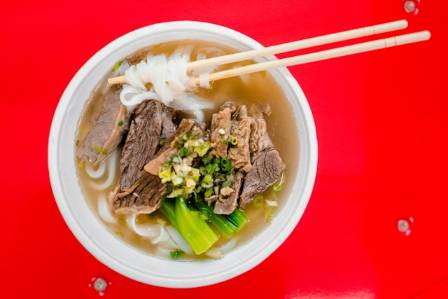
Meaning “fried sauce noodles,” Zhajiangmian is a signature dish of Shandong cuisine and a beloved Beijing snack. It consists of thick wheat noodles topped with a savory sauce made by simmering pork or beef with salty fermented soybean paste (zhajiang). Legend has it that Zhajiangmian was introduced to Beijing by Emperor Guangxu and Empress Dowager Cixi during a trip to Xi’an. They stopped at a restaurant, tried the dish, and loved it so much that they brought the chef back to the palace. Since then, Zhajiangmian has become a staple in Beijing and across China, cherished for its simple, hearty flavor and satisfying texture.
15. Wonton Soup
Wontons are delicate Chinese dumplings with thin, wrapper and a small amount of filling—usually minced pork or diced shrimp. Unlike dumplings (jiaozi), wontons have a lighter filling and thinner skin, and are often boiled and served in a clear, flavorful broth (wonton soup). Their shapes vary—some resemble silver ingots, making them an auspicious dish symbolizing wealth. Wonton soup is a comforting, nourishing meal, perfect for breakfast, lunch, or a light dinner. It’s beloved for its simplicity, freshness, and warm, satisfying taste, making it a favorite across China and beyond.