पत्ती
Simple Nautical Illustration: A Guide to Drawing a Classic Sailing Vessel
Exploration and maritime history often begin with the iconic silhouette of a grand sailing ship. While these vessels can appear overwhelming due to their intricate rigging and multiple layers, they share a basic structural logic that is easy to replicate. This tutorial focuses on capturing the vintage aesthetic of a ship like the Mayflower, characterized by billowing sails and a sturdy wooden hull. By breaking the process down into manageable sections, artists of all levels can create a dynamic scene that suggests a vessel cutting through the open sea.
Rowan Sterling
लेखक
झलक
नीचे पूरा पाठ फ़्लोट करता है।
शेल्फ़
स्टोरी लीफ़
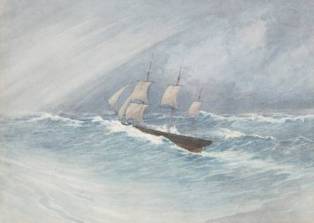
Exploration and maritime history often begin with the iconic silhouette of a grand sailing ship. While these vessels can appear overwhelming due to their intricate rigging and multiple layers, they share a basic structural logic that is easy to replicate. This tutorial focuses on capturing the vintage aesthetic of a ship like the Mayflower, characterized by billowing sails and a sturdy wooden hull. By breaking the process down into manageable sections, artists of all levels can create a dynamic scene that suggests a vessel cutting through the open sea.
To achieve a realistic look without getting lost in the technicalities of naval architecture, the secret lies in the order of operations. Instead of attempting to draw the entire ship at once, focusing first on the vertical poles and then attaching the horizontal components allows the drawing to maintain its balance and perspective. The result is an illustration that captures the majestic presence these ships commanded in real life.
Essential Art Supplies for the Project
To begin your maritime masterpiece, you will need high-quality drawing paper and a reliable pencil capable of producing clean, dark lines. For the final outline, a black permanent marker is recommended to provide a bold contrast that makes the vessel stand out. A comprehensive set of colored pencils or crayons will allow for a diverse range of wood tones and water effects. Using a wider variety of shades helps in adding depth to the hull and the shadows within the sails.
The estimated time for this project is approximately 45 minutes. This allows enough time for careful sketching, tracing, and the final coloring phase. Working on a larger scale or even experimenting with textured brown paper can also add a unique, aged look to your finished artwork.
Step-by-Step Vessel Construction
The first step in any nautical drawing is to establish the environment by sketching a gentle waterline. This serves as the anchor for the rest of your composition. Once the water is in place, draw the primary hull of the ship, adding an extra elevated layer toward the stern to give it that classic galleon shape. These structural foundations provide the necessary support for the towering elements that follow.
Next, focus on the vertical mast poles extending upward from the deck. Once these are set, add the horizontal yard poles across them; these will eventually hold the sails. Drawing the billowing sails attached to these poles is what gives the ship its sense of movement, as if the wind is filling them. To finish the structural phase, add the thin lines of the connecting ropes and the flags at the top of each mast.
Final Details and Finishing Touches
After the main structure is complete, add the smaller details that bring the ship to life. Small windows along the hull and deck give a sense of scale and suggest the living quarters within. Once you are satisfied with your pencil sketch, trace over all the lines with a black marker to create a professional finish.
The final stage involves bringing color to your work. Use different shades of brown for the wooden planks of the hull, and perhaps a light blue or grey for the shadows on the white sails. Coloring the water with varying blues and greens can help simulate waves, making your ship appear as though it is truly on a journey across the ocean.
पास की पत्तियाँ

Cold Brewed Iced Tea with Fruit
Frederick Carrington

रोबोटिक जानवरों का विकास: प्राचीन स्वचालित यंत्रों से लेकर आधुनिक साथियों तक
स्मृति सारस्वत

Tibetan Antelope: Adaptations, Threats, and Conservation
Julian Frost

दुनिया के 15 सबसे खूबसूरत फूल
मित्र

Greek Yogurt Bowls 5 Ways
Celeste Ravenswood

बाहरी कैम्पिंग का मार्गदर्शिका बाहरी कैम्पिंग का अंतिम मार्गदर्शिका: टिप्स, ट्रिक्स, और आवश्यकताएँ
सिद्धार्थ