पत्ती
All About Oak Trees
Understanding the distinctive characteristics of oak trees is the foundation for successfully planting and maintaining them. Whether you’re an experienced gardener or just beginning your journey, learning how these iconic trees develop will help you care for them properly. Below is a clear and approachable overview of what makes oaks such treasured features in landscapes.
Akira Lennox
लेखक
झलक
नीचे पूरा पाठ फ़्लोट करता है।
शेल्फ़
स्टोरी लीफ़
Understanding the distinctive characteristics of oak trees is the foundation for successfully planting and maintaining them. Whether you’re an experienced gardener or just beginning your journey, learning how these iconic trees develop will help you care for them properly. Below is a clear and approachable overview of what makes oaks such treasured features in landscapes.
Classification and types
There are hundreds of oak species distributed across the world. Although they differ in appearance and detail, they all belong to the same botanical family, the beech family (Fagaceae). Oaks are among the most widely spread deciduous trees and are admired for their strong, timeless presence in natural and designed landscapes.
Some of the most commonly encountered varieties include:
English oak (pedunculate oak)
Sessile oak
Downy oak
Pin oak
Growth characteristics of oak trees
Oaks are long-distance runners in the plant world, known for their extraordinary lifespan and ability to grow into massive, imposing trees. In their early stages, they focus heavily on building a deep root system, a strong trunk, and a balanced crown. Flowering and seed production typically begin only after many years of maturity.
Typical lifespan ranges from 600 to 1,500 years, with some specimens living even longer. Mature trees can reach around 130 feet in height depending on species, and they often develop extremely thick trunks over time.
Not all oaks become towering giants. Some species remain smaller and are suitable for compact gardens or large containers. In limited spaces, oaks can even be cultivated as bonsai trees while still preserving their characteristic appearance.
Acorns and reproduction
Acorns are the reproductive seeds of oak trees and play a central role in their life cycle. Each acorn contains one or occasionally two seeds, which can germinate under suitable conditions and develop into new trees.
Acorn production generally begins when the tree reaches a mature age, often several decades old. These seeds remain viable for a period after falling, meaning they do not need to be planted immediately. Their color and size vary depending on the oak species.
Ideal planting conditions
Oaks are hardy and adaptable trees that can tolerate a wide range of soil conditions. However, to encourage optimal growth and long-term health, several environmental factors should be considered.
They prefer full sunlight and require ample space to expand both above and below ground. Soil pH is not highly restrictive, as they can grow in acidic, neutral, or alkaline conditions. What matters most is soil structure—loose, well-aerated soil allows roots to penetrate deeply and develop properly.
Root development
The root system of an oak is essential for its stability and survival. Young trees typically develop a strong central taproot that grows downward into the soil. As the tree matures, this system evolves into a more widespread, heart-like structure with extensive lateral roots.
Because of this growth pattern, soil compaction must be avoided. Oaks require deep, loose ground to allow unrestricted root expansion. They also prefer nutrient-rich, well-drained soil that retains moisture without becoming waterlogged, as standing water can damage root health.
Oak bark and protection
The bark of an oak functions as its protective outer layer. It is essential to avoid damaging it, as injuries can expose the tree to pests and diseases. If bark damage occurs, protective treatments may be used to reduce further harm.
In young trees, the bark is smooth and light gray. As the tree ages, it becomes darker, thicker, and deeply ridged, forming the rugged texture that oaks are known for.
Any unusual marks, cracks, or damage on the bark should be monitored carefully, as they may indicate pest activity or disease presence. Early detection greatly improves the chances of recovery.
Common pests and diseases
Despite their strength, oak trees can still be affected by various pests and diseases. Signs of problems often appear on leaves or bark, and timely intervention is essential for effective treatment.
Common diseases include canker, fungal bracket infections, and powdery mildew. These can weaken the tree if not managed properly.
Common insect threats include oak processionary moths, two-lined chestnut borers, and green oak tortrix moths. These pests can damage foliage and compromise the tree’s overall health if infestations become severe.
पास की पत्तियाँ
The Remarkable World of the Praying Mantis
Grayson Oliver Caldwell

The Future of Communications: 10 Pivotal Ways AI Will Reshape How We Connect
Andrew Harris

A Guide to Core Anime & Manga Drawing Techniques
Lucas

सिएटल में टॉप 7 पब्लिक बास्केटबॉल कोर्ट
माधवी
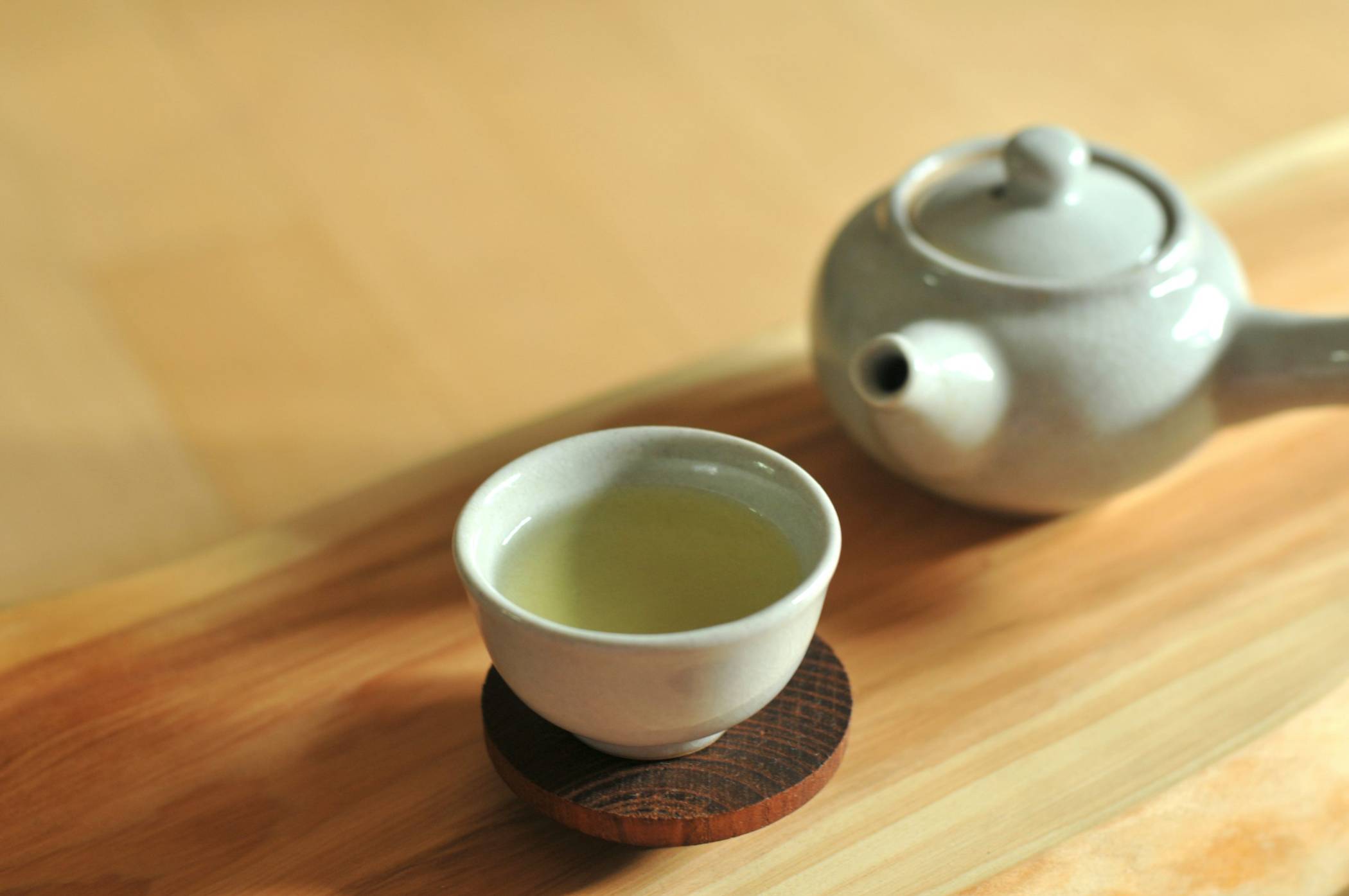
आहार विशेषज्ञों के अनुसार 3 सर्वश्रेष्ठ एंटीऑक्सीडेंट से भरपूर चाय।
आस्था

घर पर रेस्टोरेंट-क्वालिटी के भोजन के लिए 19 फैंसी डिनर रेसिपी
तन्मय