पत्ती
Growing Flowers In Your Vegetable Garden - Nasturtiums
Adding flowers to a vegetable garden does more than simply create a beautiful display. Many flowering plants can help discourage unwanted insects, attract beneficial pollinators, and even provide edible blooms. Nasturtiums are one of the best examples, offering beauty, usefulness, and easy care all in one plant.
Jack Harrison
लेखक
झलक
नीचे पूरा पाठ फ़्लोट करता है।
शेल्फ़
स्टोरी लीफ़
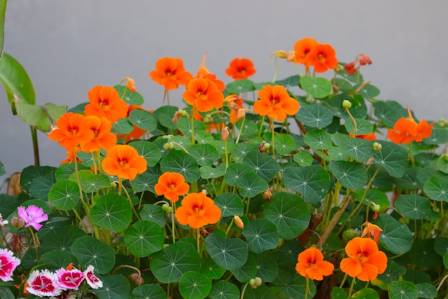
Adding flowers to a vegetable garden does more than simply create a beautiful display. Many flowering plants can help discourage unwanted insects, attract beneficial pollinators, and even provide edible blooms. Nasturtiums are one of the best examples, offering beauty, usefulness, and easy care all in one plant.
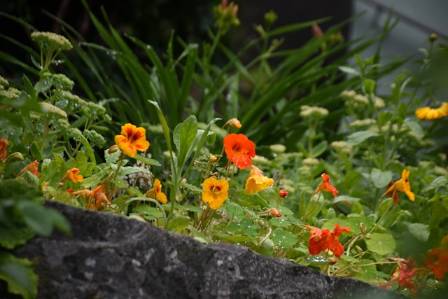
Nasturtiums are especially enjoyable to grow because they require very little attention. They can thrive in poor soil and tolerate dry conditions, making them a great choice for gardeners who occasionally forget to water. These colorful flowers perform well in both full sunlight and partial shade, although they produce the greatest number of blooms when grown in sunny locations.
Their spreading growth habit allows nasturtiums to work as a natural ground cover, helping reduce weed growth. Bees, hummingbirds, butterflies, and ladybugs are attracted to their bright flowers, while their ability to trap and repel certain pests makes them an excellent companion plant.
Another advantage is that the flowers, leaves, and stems are all edible. Their colorful appearance and slightly spicy flavor make them a unique addition to salads, garnishes, and summer recipes.
Nasturtium Varieties
Nasturtiums are available in many different colors and growth styles. Popular varieties include compact dwarf types, bush varieties, climbing forms, and trailing plants.
Depending on the variety, nasturtiums can create different effects in the garden. Smaller types work well in containers and borders, while climbing and trailing varieties are excellent for hanging baskets, fences, and larger garden spaces.
How to Plant Nasturtium Seeds
Nasturtium seeds are large, about the size of a pea, which makes them easy to handle when planting. They can be started indoors or sown directly outdoors.
For earlier flowers, start seeds indoors about four to six weeks before the final expected frost date. If you want to speed up germination, soak the seeds in water for 12 to 24 hours before planting.
Because nasturtium seeds require darkness to sprout, they should not be placed too close to the soil surface. Plant seeds about 1/2 to 3/4 inch deep and keep the soil consistently moist until germination occurs.
Since nasturtiums grow quickly, many gardeners prefer starting them in small containers, placing one seed in each 2- to 4-inch pot before transplanting them outdoors.
How to Care for Nasturtiums
Nasturtiums are among the easiest flowers to grow and require minimal maintenance, making them a great choice for beginner gardeners and children’s gardens.
They will continue producing colorful flowers throughout the summer without needing regular fertilization. In fact, overly rich soil can encourage more leaves and fewer flowers.
Pruning or trimming back the plants occasionally can help create a fuller, more compact shape and encourage additional blooms.
Nasturtiums Are Edible
One of the most enjoyable features of nasturtiums is that they can be eaten. Their flowers, leaves, and stems have a peppery flavor that adds interest to many dishes.
Fresh nasturtium flowers can be used in salads, placed on top of meals as decoration, or blended into homemade pesto. The young green seeds can also be harvested and pickled, creating a substitute sometimes called “poor man’s capers.”
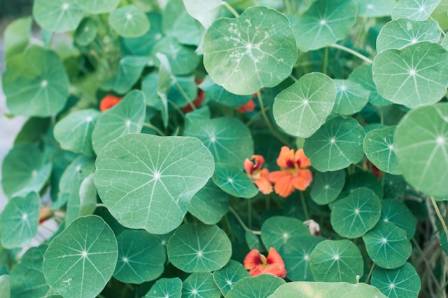
Nasturtiums as Natural Pest Control
Nasturtiums are valuable additions to vegetable gardens because they can help manage certain pests naturally.
These plants often attract aphids and cabbage moths, drawing them away from more vulnerable crops. They act as a trap crop, encouraging insects to focus on the nasturtiums instead of nearby vegetables.
If a plant becomes heavily infested, remove the affected stems and dispose of them properly. The plant usually recovers well after pruning.
Nasturtiums can also help discourage pests such as whiteflies, squash bugs, and some beetles, making them useful companions for vegetables that commonly suffer from insect damage.
Best Companion Plants for Nasturtiums
Nasturtiums grow well beside many common garden vegetables. They can be planted near tomatoes, cucumbers, kale, broccoli, cauliflower, cabbage, Brussels sprouts, melons, squash, and radishes.
By growing nasturtiums among vegetables, gardeners can create a more diverse planting environment that attracts beneficial insects while helping protect crops from certain pests.
Saving Nasturtium Seeds
Collecting nasturtium seeds for the following growing season is simple and rewarding.
Mature seeds can often be found beneath the plant after they naturally fall to the ground. They are usually light brown and about the size of a pea.
Gather the seeds and place them in a dry location for approximately three weeks so they can finish drying. Once completely dry, store them in a paper envelope or container in a cool, dry place until the next planting season.
With their bright colors, edible qualities, pollinator appeal, and natural pest-control benefits, nasturtiums are a wonderful flower to include in almost any vegetable garden.