पत्ती
Best Single Chairs for Living Room
Over the last ten years, I’ve sourced and specified countless accent chairs for living rooms, and the designs that consistently stand out combine visual impact, ergonomic comfort, and long-lasting craftsmanship.
Elowen Sage
लेखक
झलक
नीचे पूरा पाठ फ़्लोट करता है।
शेल्फ़
स्टोरी लीफ़
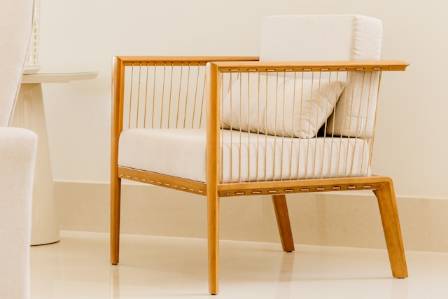
Over the last ten years, I’ve sourced and specified countless accent chairs for living rooms, and the designs that consistently stand out combine visual impact, ergonomic comfort, and long-lasting craftsmanship.
An exceptional lounge chair should feel welcoming, maintain an attractive profile from every angle, and withstand everyday activities like reading, relaxing, entertaining guests, or spending time on your phone. The ideal design usually balances seat height (around 16–18 inches for most people), supportive back positioning, and armrests that don’t interfere with nearby tables.
Comfort is more than a subjective feeling—it can be evaluated through design principles. WELL v2 highlights the importance of supportive seating and varied sitting positions to minimize physical strain, while IES lighting guidelines recommend layered illumination for reading zones, typically around 300–500 lux with warm lighting between 2700K and 3000K for residential environments. Studies from Steelcase also indicate that people naturally shift posture every few minutes while lounging, which is why flexible seating that supports different sitting styles tends to feel more comfortable over time. Color psychology also matters: warm shades often create energetic, inviting atmospheres, while cooler tones encourage relaxation. Resources such as WELL v2 and IES standards at wellcertified.com and ies.org/standards provide additional insight into wellness-centered interior design.
Size and proportion play a major role in how a chair functions within a room. Research from Gensler consistently connects spatial comfort with perceived quality, and this principle applies equally well in residential spaces. If a chair blocks circulation paths or dominates sightlines, people are less likely to use it. In most layouts, maintaining 30–36 inches of walking clearance works best, along with roughly 18 inches between the chair and coffee table. In smaller rooms, armless or slim-profile chairs often help preserve openness and maintain visual flow toward windows or focal walls.
Key Factors When Choosing the Best Single Chair for a Living Room
Scale and visual weight: In most living rooms, chairs measuring 28–34 inches wide feel balanced. Compact spaces benefit from narrower silhouettes around 26–28 inches paired with visually lighter bases such as thin metal legs or open wood frames. Larger interiors can support oversized chairs between 36–40 inches.
Seat dimensions: A seat height between 16–18 inches is comfortable for most adults. Shallower depths around 20–22 inches feel more upright and ideal for reading, while deeper seats between 23–25 inches encourage relaxed lounging with extra back cushions.
Back support angle: A recline angle of approximately 100–110 degrees provides comfort without encouraging slouching. Slightly angled backs with subtle lumbar shaping offer support during longer sitting periods.
Armrest shape: Narrow or gently flared arms make side tables easier to reach and allow flexible sitting positions. Those who enjoy curling up may prefer broader, lower arms that can also support books or devices.
Cushion construction: High-resilience foam wrapped with down or synthetic down alternatives provides softness while retaining shape. Dual-density foam with fiber wrapping works well in homes that prioritize low maintenance and cleaner lines.
Upholstery durability: Homes with children or pets should prioritize fabrics rated at 30,000+ double rubs (Wyzenbeek) or 40,000+ Martindale. Performance textiles, removable slipcovers, and durable leather finishes improve longevity. Semi-aniline leather strikes a good balance between protection and natural aging.
Chair Styles That Consistently Perform Well
Curved Swivel Lounge Chairs
Rounded barrel-style or tub chairs mounted on swivel bases naturally encourage conversation. Their rotating functionality allows easy movement between television viewing, conversation, or outdoor views without scraping floors. Models with supportive backs and compact footprints between 28–34 inches tend to work best. Pairing them with small round side tables helps maintain clearance for rotation.
Contemporary Wingback Chairs
Modern wingbacks feature tall backs, refined proportions, and slim side panels that create elegance without heaviness. Tapered wood legs or metal bases help visually lighten the design. They are particularly effective in reading corners combined with focused task lighting around 300–500 lux.
Scandinavian-Inspired Lounge Chairs
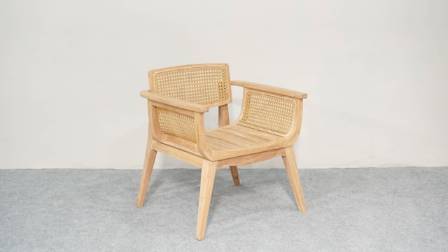
Minimal wood frames, sling-style backs, and thin cushions create an open, airy aesthetic. These designs work especially well in apartments and compact living rooms where maintaining spaciousness is important. Layering them with textured rugs and low tables prevents the room from feeling too sparse.
Mid-Century Reclining Shell Chairs
With gentle reclines, molded arms, and supportive headrests, these chairs transform unused corners into cozy destinations. They look strongest when positioned toward a focal point such as a fireplace, artwork, or outdoor view.
Armless Slipper Chairs
These chairs maximize flexibility in smaller spaces. They work well in pairs beside media consoles or windows and are ideal for adaptable seating arrangements during gatherings. Firmer cushions and taller legs help maintain a more upright, conversational posture.
Sculptural Statement Chairs
Chairs featuring dramatic curves, asymmetrical forms, or handcrafted wood detailing can become the centerpiece of a room. In these cases, surrounding furniture should remain understated so the chair remains visually dominant.
Layout and Placement Considerations
Even the best chair performs poorly if positioned incorrectly. Rooms that function as walkways should preserve at least 36 inches of circulation space, though 30 inches can work in tighter homes. Side tables should sit about 8–12 inches from the armrest for convenience, while coffee tables generally work best at roughly 18 inches away. Before purchasing furniture, experimenting with layouts through room-planning software can prevent costly scale mistakes. Tools like the room planner from Coohom are useful for visualizing furniture arrangements in advance.
Color, Material, and Atmosphere
An accent chair often serves as the room’s strongest color statement. Neutral sofas pair well with richer accent shades such as rust, emerald, or deep indigo, especially when echoed in pillows or artwork. Cooler tones like blue and green create calm environments, while textured fabrics such as boucle, wool, or heathered weaves add visual depth. Bright spaces with direct sunlight benefit from UV-resistant textiles to minimize fading. In smaller interiors, tonal layering—such as charcoal paired with graphite—creates sophistication without overwhelming the room.
Lighting and Acoustic Comfort
A lounge or reading chair deserves dedicated lighting. Lamps between 2700K–3000K with a CRI above 90 provide warm, accurate illumination that feels comfortable during evening hours. Adjustable shades or directional heads help reduce glare. Hard-surfaced rooms also benefit from dense rugs beneath seating areas to soften footstep noise and reduce echo. Upholstered lounge seating naturally absorbs sound reflections, making conversations easier in open-concept layouts.
Sustainable and Durable Material Choices
Whenever possible, prioritize FSC-certified wood frames, low-VOC finishes, and Greenguard Gold-certified materials. Removable cushion covers extend furniture lifespan by simplifying cleaning and future reupholstery. Homes that host frequently may benefit from stain-resistant fabrics such as solution-dyed blends or FiberGuard textiles. Semi-aniline and pigmented leathers offer durability while still developing character over time.
Recommended Chair Choices by Room Type
Compact living rooms: Scandinavian-inspired lounge chairs or armless slipper chairs around 28–30 inches wide with open frames and lighter legs.
Mid-sized spaces: Swivel lounge chairs or modern wingbacks between 30–34 inches paired with slim side tables and glare-controlled floor lamps.
Spacious interiors: Sculptural lounge chairs or mid-century shell chairs around 34–40 inches wide, often used in pairs around generous coffee tables.
Family-friendly homes: Performance upholstery, removable seat covers, tight-back cushions, and reinforced seams for easier upkeep.
Collector-focused interiors: Bold statement chairs with artistic silhouettes surrounded by simpler furnishings that allow the chair to stand out.
Styling Tips and Layering Ideas
A side table between 24–30 inches round or 18–22 inches square usually pairs well with lounge seating. Decorative pillows around 18–20 inches maintain balance without overwhelming the chair. Lightweight throws in wool or cotton draped neatly across the seat add softness while preserving clean lines. Mixing seating styles with different leg shapes—such as pedestal bases alongside tapered legs—creates visual rhythm without feeling chaotic.
Mistakes to Avoid
Oversized armrests that limit table accessibility.
Extra-deep seats without lumbar support options.
Highly glossy leather in bright rooms where glare becomes uncomfortable.
Ignoring swivel clearance requirements near surrounding furniture.
Choosing upholstery based only on appearance without evaluating durability and texture.
पास की पत्तियाँ

एक पालतू जानवर होने के 8 स्वास्थ्य लाभ
स्केलेय

Admire Shanghai’s Skyline from the Oriental Pearl Tower
Susan

शीर्ष राज्यों को पतन पर्णसमूह देखने के लिए
न्यू

America's Spectacular Mountain Landscapes: 8 Must-See Peaks
Catherine Xu

Explore the Retro-Futuristic Art & Design Trend
Phoenix Vale

How to Draw a Bouquet of Flowers
Cora Leigh