पत्ती
Explore The Fairy Glen in Scotland
Located on Scotland’s Isle of Skye, the Fairy Glen is often described as one of the most enchanting landscapes in the country. Known for its unusual basalt formations, soft green cone-shaped hills, small ponds, and quiet rural setting, it has an almost otherworldly atmosphere that naturally sparks imagination and wonder.
Nico Thatcher
लेखक
झलक
नीचे पूरा पाठ फ़्लोट करता है।
शेल्फ़
स्टोरी लीफ़
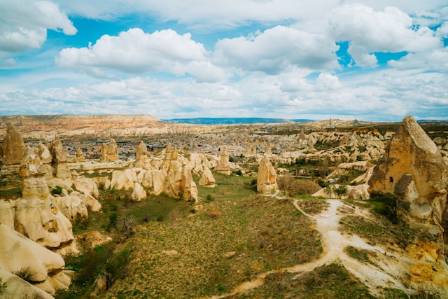
Located on Scotland’s Isle of Skye, the Fairy Glen is often described as one of the most enchanting landscapes in the country. Known for its unusual basalt formations, soft green cone-shaped hills, small ponds, and quiet rural setting, it has an almost otherworldly atmosphere that naturally sparks imagination and wonder.
Many visitors associate the site with fairy folklore, and while there is no historical evidence that directly links the glen to fairies, local legends often suggest that such magical beings may have shaped the land or still inhabit it. In reality, geologists explain that the Fairy Glen was formed through an ancient landslip, which created its distinctive rolling terrain and scattered rock structures.
Despite its scientific origins, the area continues to feel mysterious and dreamlike, attracting travelers, hikers, and photographers. It is located on the Trotternish Peninsula between the small villages of Sheader and Balnacnoc, surrounded by farmland and accessible via a single rural road. Its secluded location adds to its charm, although it has become increasingly popular in recent years.
Visitors often note that the glen can be crowded during the day, especially with tour groups, but becomes much quieter in the evening. As the sun sets and the crowds leave, the landscape takes on a calmer, more atmospheric feel, with only the sound of wind and grazing sheep breaking the silence.
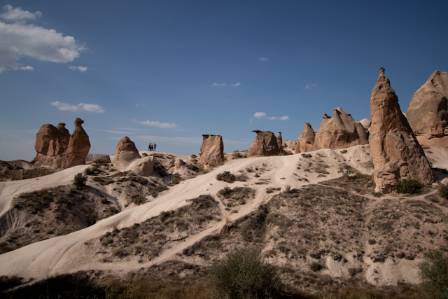
Scottish folklore plays a major role in how places like the Fairy Glen are perceived. Traditional stories across the region describe “fair folk” as powerful and sensitive beings connected to nature. According to legend, they should never be disrespected—calling them by the wrong name, lying, or wearing certain colors like green is considered bad luck in old tales. These beliefs reflect how deeply nature and mythology are intertwined in Scottish cultural history.
The glen itself is filled with distinctive landforms. Its hills rise in rounded, textured shapes that resemble small earth mounds or inverted beehives. Scattered pools of water reflect the surrounding greenery, creating shifting colors depending on the light. At different times of day, especially during sunset, the scenery becomes especially vivid and atmospheric.
One of the most recognizable features is a large basalt rock formation often referred to as “Castle Ewan,” which resembles a small stone tower. Nearby, a climbable ridge leads to a higher viewpoint where visitors can look across the entire valley. A small cave behind the formation is sometimes visited by those who leave coins in rock crevices as a gesture of luck.
In recent years, visitor activity has also changed parts of the landscape. Some tourists have rearranged smaller stones into spirals and patterns, though these arrangements are often removed by locals who aim to preserve the natural appearance of the site. They consider altering the rock layout a form of damage and encourage visitors to respect the environment.
Ultimately, the Fairy Glen remains a place where natural geology and human imagination blend together. Whether seen as a geological wonder or a land touched by myth, it continues to captivate all who step into its quiet, rolling hills.
पास की पत्तियाँ

अपने घर में कला के साथ कैसे सजाने के लिए
कायला
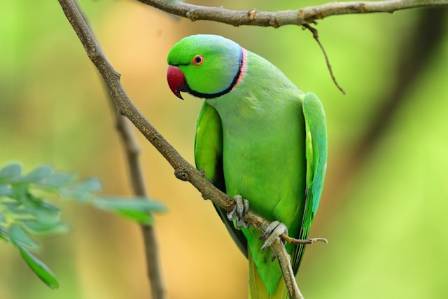
10 Things You Didn’t Know About Parrots
Jordan Miller

Guide to Healthy Low-Fat Eating
Hunter Lane
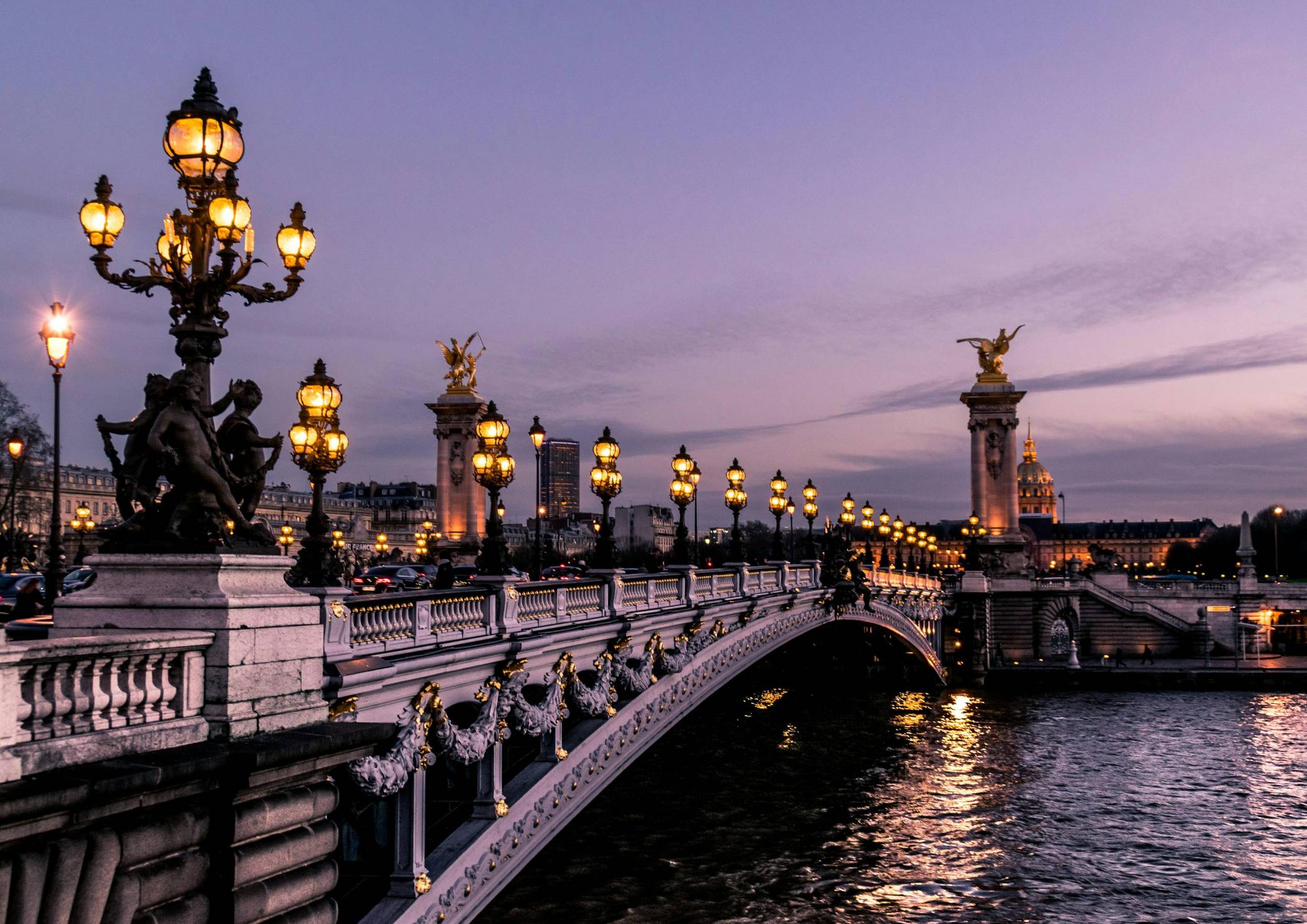
रात में दुनिया के 10 सबसे खूबसूरत शहर
आकांक्षा
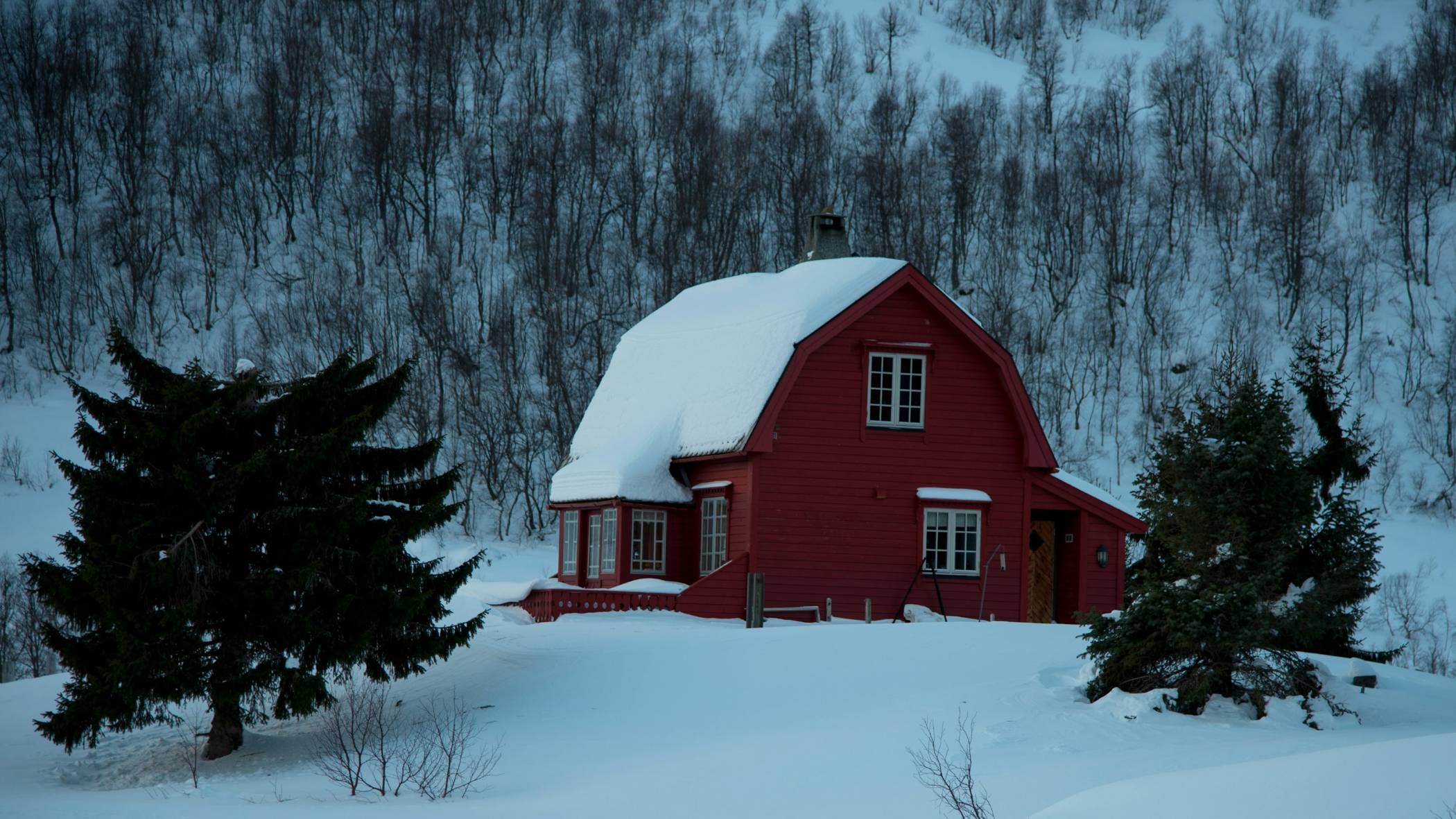
अल्पाइन जीवन में तेज़ी: 20 सबसे ज़्यादा मांग वाले पर्वतीय एस्टेट
निशा

साबित लाभ के साथ 12 सुपर स्वस्थ और पौष्टिक फल
करेन होवाव