पत्ती
Mango Pomelo Sago Dessert
The first time I tasted this Hong Kong dessert was years ago during a family trip to visit relatives in Hong Kong. It was a refreshing, chilled sweet soup often served in small dessert cafés and even in more formal dining restaurants. On a recent visit, after enjoying a rich Peking duck meal, my husband and I had it again, and I’ve been thinking about it ever since.
Edmund Kingsley
लेखक
झलक
नीचे पूरा पाठ फ़्लोट करता है।
शेल्फ़
स्टोरी लीफ़
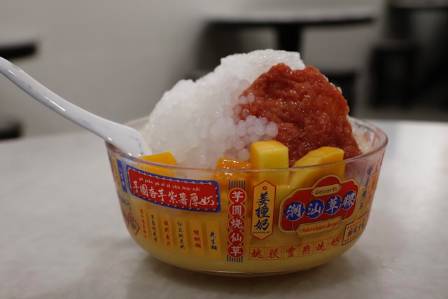
The first time I tasted this Hong Kong dessert was years ago during a family trip to visit relatives in Hong Kong. It was a refreshing, chilled sweet soup often served in small dessert cafés and even in more formal dining restaurants. On a recent visit, after enjoying a rich Peking duck meal, my husband and I had it again, and I’ve been thinking about it ever since.
Mango sago is a dessert that combines sweetness, light tanginess, and creamy texture, along with soft citrus notes and chewy tapioca pearls. Traditional versions usually include milk, cream, and sugar, but this lighter version avoids dairy and refined sugar, making it suitable for a more wholesome diet.
Pomelo is recommended for the citrus component, although grapefruit can be used as a substitute. Pomelo is especially common during Lunar New Year celebrations and is often associated with good fortune, making it a seasonal favorite in many households.
For the best flavor and texture, ripe Ataulfo mangoes are ideal because of their smooth consistency and rich color. If they are unavailable, any fully ripe and juicy mango will work. In fact, mango combined with coconut milk alone already creates a delicious base, even without citrus or tapioca for a quicker version.
A good coconut milk choice is important for flavor. Many prefer brands like Chaokoh from Asian grocery stores, while others use organic full-fat coconut milk without additives for a cleaner taste.

Mango Sago Dessert Recipe
This recipe yields about four servings.
Ingredients
You will need ripe mangoes cut into pieces, coconut milk, small sago (tapioca pearls), pomelo segments with the white pith removed, grapefruit pieces, and optional liquid such as coconut water, mango juice, or plain water to adjust consistency.
Preparing the Sago
Begin by soaking the tapioca pearls in room-temperature water for about ten minutes to soften them. Drain the water, then transfer the sago to a pot of boiling water. Cook over medium heat for approximately eight to ten minutes until fully translucent and tender. Drain again, rinse with cool water, and set aside to cool completely.
Making the Mango Base
Set aside a portion of diced mango for later garnish. Place the remaining mango pieces into a blender along with coconut milk. Blend until completely smooth.
If a thinner texture is preferred, you can add coconut water, mango juice, or plain water to loosen the mixture and create a more drinkable consistency.
Combining the Dessert
Pour the blended mango-coconut mixture into a large bowl. Add the cooled tapioca pearls and gently mix to combine.
Tear pomelo and grapefruit into small pieces and fold them into the mixture, allowing the citrus flavors to distribute evenly throughout the dessert.
Serving the Mango Sago
Chill the dessert before serving for the best flavor. Spoon into bowls and top with the reserved fresh mango pieces. Add extra citrus segments on top for garnish if desired.
This dessert is best enjoyed cold, offering a refreshing balance of fruity sweetness, creamy texture, and chewy pearls.
पास की पत्तियाँ
चीनी मिठाइयाँ और पकवान: एक व्यापक अवलोकन
रोशनी बाजवा
Guide to Healthy Low-Fat Eating
Hunter Lane

Guide to Growing Healthy Plum Trees
Andrew David Thompson

एक ऐसा घर जो कलात्मक साहस को दर्शाता है: जेन लुईस के जीवंत वेस्ट हैरिसन निवास के अंदर
एवा हैरिंगटन
Proven Ways Matcha Tea Improves Your Health
Vincent Delacroix

What is Chocolate Mousse Cake? Nutritional Facts, Calories & Taste
Grace